



World
Venezuela Earthquake Death Toll Nears 1,500 as Rescue Teams Race Against Time
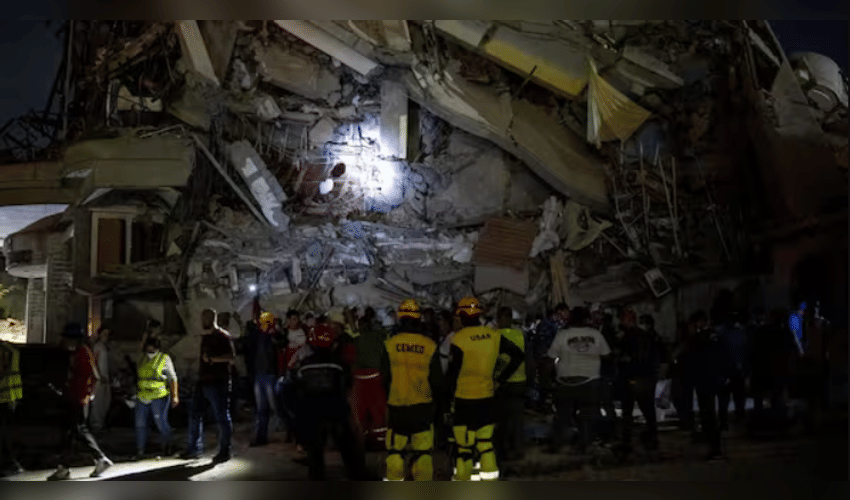

The race to find survivors in Venezuela has entered its most difficult phase as emergency crews continue searching through mountains of rubble following two devastating earthquakes. With the confirmed death toll nearing 1,500 and thousands more still unaccounted for, rescue teams are working around the clock despite fading hopes of finding additional survivors alive. Authorities say the disaster has become one of the deadliest natural catastrophes in the country's recent history.
The powerful back-to-back earthquakes struck within seconds of each other, causing widespread destruction across northern Venezuela. Entire neighborhoods suffered severe structural damage, with hundreds of residential buildings, schools, hospitals, and public facilities either collapsing or becoming unsafe. The hardest-hit areas, particularly in La Guaira state near Caracas, have been transformed into disaster zones as rescue personnel carefully search damaged structures while dealing with the constant threat of aftershocks.
Emergency officials warn that the critical period for rescuing people trapped beneath collapsed buildings is rapidly coming to an end. Disaster response experts often describe the first 72 hours after a major earthquake as the "golden window," when the chances of finding survivors are at their highest. Although several remarkable rescues—including children pulled alive from the debris—have offered moments of hope, every passing hour makes rescue operations increasingly challenging.
Beyond the tragic loss of life, the humanitarian crisis continues to deepen. More than 3,000 people have been injured, while thousands of families have been forced to leave their homes after buildings were declared unsafe. Temporary shelters are accommodating displaced residents, but relief agencies are warning that urgent supplies such as clean drinking water, food, medicine, and emergency housing will be needed for weeks, if not months.
International support has grown steadily as rescue specialists, medical teams, and humanitarian organizations from numerous countries arrive to assist local authorities. Search-and-rescue units equipped with trained dogs, advanced detection equipment, and heavy machinery are helping recover victims and search for those still trapped. Several governments have also announced financial assistance and emergency relief shipments to support Venezuela's recovery efforts.
Despite the global response, rescue efforts remain extremely difficult. Damaged roads, unstable buildings, intermittent power outages, and repeated aftershocks have slowed operations in many locations. In some communities, residents have joined emergency crews, using basic tools and even their bare hands to clear debris while waiting for additional equipment to arrive.
The disaster has also exposed the importance of earthquake-resistant construction and emergency preparedness. Experts note that while earthquakes cannot be prevented, stronger building standards, well-rehearsed evacuation plans, and faster emergency response systems can significantly reduce casualties. As rebuilding begins, these issues are expected to play a central role in discussions about Venezuela's long-term recovery and disaster resilience.
For now, rescue workers remain focused on the mission of locating anyone who may still be alive beneath the rubble. Families continue to gather near collapsed buildings, hoping for positive news despite the diminishing odds. With the death toll expected to rise further as search operations continue, Venezuela faces not only an immense humanitarian emergency but also the enormous challenge of rebuilding communities shattered by one of the country's most destructive earthquakes in decades.



