



Military
US Navy Eyes Indian Port Visits Following USS Abraham Lincoln's Demanding Deployment
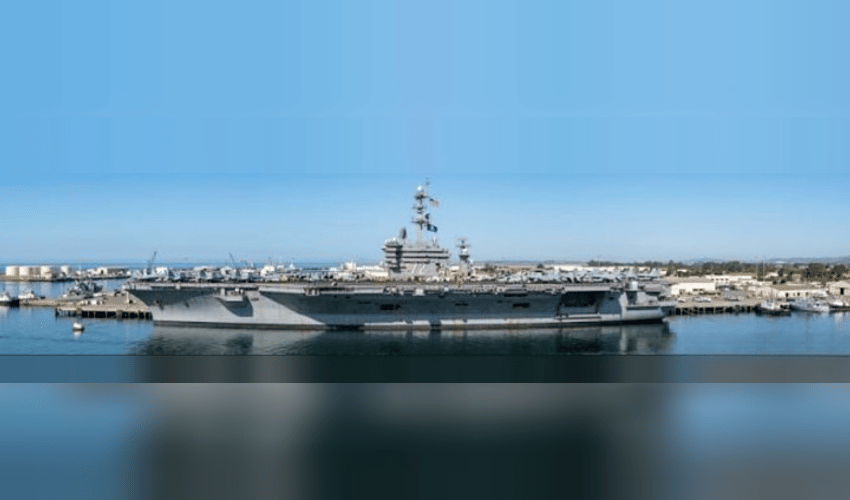

The US Navy is exploring the possibility of using Indian ports as stopover points for future aircraft carrier deployments after the USS Abraham Lincoln completed an exceptionally demanding 270-day mission, according to a report by Military Times. Admiral Daryl Caudle has suggested that India could offer a safer and strategically useful alternative to some Middle Eastern ports, particularly as facilities in the region face increased risks amid the conflict involving Iran.
The Lincoln’s prolonged deployment also exposed significant challenges in the Navy’s logistical planning. Sailors reportedly faced shortages of basic personal-care supplies, including soap and toothpaste, while food and other provisions came under pressure. Caudle acknowledged that resupply efforts focused primarily on essential food items, leaving products such as coffee and energy drinks unavailable for extended periods.
According to Caudle, these seemingly minor shortages can have a major impact during lengthy deployments. Beyond basic nutrition, everyday comforts can play an important role in maintaining morale and mental resilience. The strain became more apparent as concerns over sailors’ mental health increased, with at least two suicide attempts reportedly occurring during the deployment.
The situation became more complicated after Naval Support Activity Bahrain was destroyed at the beginning of the Iran conflict, eliminating an important logistics and resupply point for US naval forces. The setback has prompted the Navy to examine alternative locations, with India and Diego Garcia emerging as potential options in the broader Indian Ocean region.
Caudle said he is coordinating with Vice Admiral Curt Renshaw of the US Fifth Fleet to evaluate whether Indian port visits could be incorporated into future carrier operations. India could offer several strategic benefits. Its ports are geographically farther from the immediate threat posed by Iranian missiles and drones than many facilities in the Gulf. At the same time, expanding defence and strategic cooperation between New Delhi and Washington could make greater logistical coordination possible.
There are, however, operational costs involved. Caudle referred to the additional time and resources required for a carrier to leave its assigned operating area, travel to India and subsequently return as a “transit tax.” The Navy will therefore have to determine whether the additional security and logistical benefits outweigh the loss of time on station.
The Navy is already preparing the USS Theodore Roosevelt for a future deployment that could take the carrier to the Middle East later this year. Officials intend to incorporate lessons from the Lincoln's experience, including maintaining larger stocks of essential ship-store items and improving communication with sailors and their families when deployments are extended.
Caudle also highlighted the psychological impact of uncertainty surrounding return dates. Repeated changes or unclear timelines reportedly created considerable stress for service members and their families. The Navy now aims to communicate deployment extensions more clearly and provide families with better information. The consideration of Indian ports reflects a potential change in US naval logistics. As traditional Middle Eastern support facilities face greater security risks, Washington is increasingly looking toward geographically safer locations and stronger international partnerships to sustain aircraft carriers during lengthy overseas missions. India could become an important part of that evolving logistics network.



