



World
US military delivered retribution, Trump said, claiming a Venezuelan gang leader was killed in US strikes.
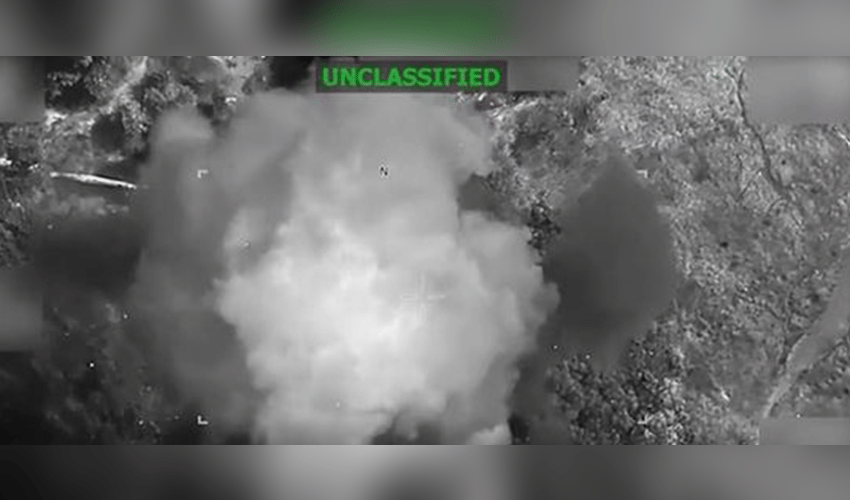

US President Donald Trump on Friday (local time) announced that the United States Southern Command, acting under his orders, had carried out an operation that killed Héctor Rusthenford Guerrero Flores — better known as Niño Guerrero — the alleged head of the Venezuela-based criminal group Tren de Aragua.
Trump described the mission as a “swift and lethal kinetic strike” targeting what he called one of the world’s most violent terrorist organisations. He said the operation was conducted in close coordination with Venezuelan authorities and claimed the gang no longer had a safe base in Venezuela or elsewhere.
Trump also used the announcement to criticise former President Joe Biden, accusing the previous administration of allowing millions of undocumented criminals into the United States through the southern border. According to Trump, this enabled gangs such as Tren de Aragua to carry out violent crimes against American citizens.
Referring to victims allegedly linked to the gang, Trump said his administration had promised during the election campaign to crack down on such organisations and deliver justice to affected families. He added that the military action was intended as retribution for victims and their loved ones. The US President further stated that his administration had earlier designated Tren de Aragua as a Foreign Terrorist Organization, deported thousands of alleged criminals, and intensified efforts against drug cartels operating across the region. Trump also vowed to continue pursuing gang leaders and traffickers wherever they may be.
According to CBS News, federal prosecutors had accused Guerrero of helping transform Tren de Aragua from a prison gang in Venezuela into a transnational criminal network operating across the Americas, including in the United States. The US State Department had reportedly offered a reward of up to $5 million for information leading to his capture.
Authorities have linked the organisation to crimes including drug trafficking, human smuggling, extortion, and violent attacks. Venezuelan officials later confirmed that the operation involved intelligence-sharing and cooperation between security agencies from both countries, supported by specialised technology.