



World
US Launches Strikes on Iran's Qeshm Island After Tehran Fires Missiles Toward Kuwait and Bahrain
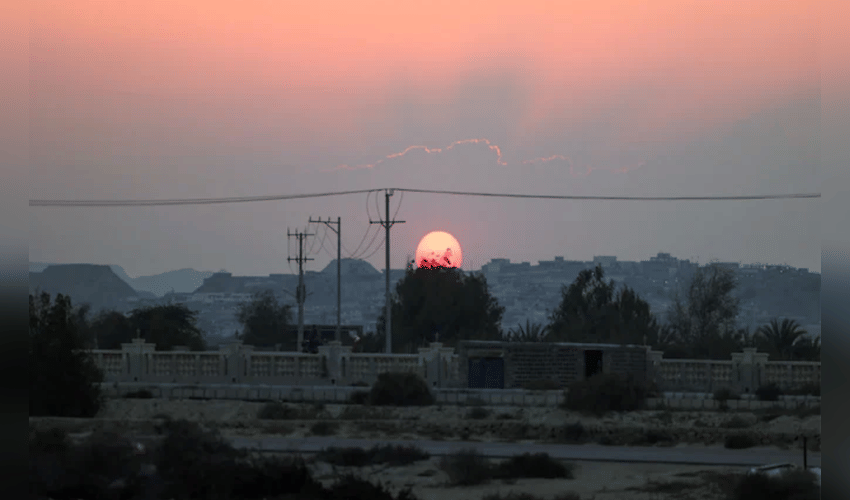

Tensions in the Middle East escalated sharply after the United States carried out military strikes on Iran’s Qeshm Island following missile and drone launches by Tehran targeting Kuwait and Bahrain. According to the US Central Command (CENTCOM), American and allied defense systems intercepted several Iranian projectiles, while others reportedly failed before reaching their targets. Soon after the attacks, US forces launched what officials described as “self-defense strikes” on Iranian military infrastructure located on Qeshm Island near the Strait of Hormuz.
CENTCOM stated that Iranian ballistic missiles and drones were directed toward regional locations in Kuwait and Bahrain late Tuesday. US officials said two missiles aimed at Kuwait either fell short or broke apart mid-flight, while three missiles targeting Bahrain were intercepted by American and Bahraini air defense systems. The retaliatory US operation reportedly targeted an Iranian military ground control station on Qeshm Island, a strategically important island situated near the Strait of Hormuz — one of the world’s most critical oil shipping routes.
Iran’s Islamic Revolutionary Guard Corps (IRGC) claimed responsibility for attacks on US-linked military facilities in the Gulf region, including sites connected to the US Navy’s Fifth Fleet in Bahrain. American officials denied that Iranian strikes caused significant damage or casualties. The latest exchange comes amid already fragile diplomatic efforts between Washington and Tehran. Reports suggest that ceasefire discussions and indirect negotiations have slowed in recent days as military confrontations continue to intensify across the region.
Security analysts warn that the situation could further destabilize the Gulf region, particularly around the Strait of Hormuz, through which a major portion of global oil supplies passes every day. Any prolonged conflict in the area could potentially impact global energy markets and maritime trade routes. Oil prices showed signs of volatility following reports of the strikes, with investors closely monitoring developments between Iran and the United States. Neither Washington nor Tehran has indicated any immediate willingness to step back, raising fears of a broader regional confrontation in the coming days.
Disclaimer: This image is taken from



