



World
US-Iran War: UAE Suspends Iran Trade After Missile Detection; Tehran Denies Allegations as Trump Claims Hormuz for US
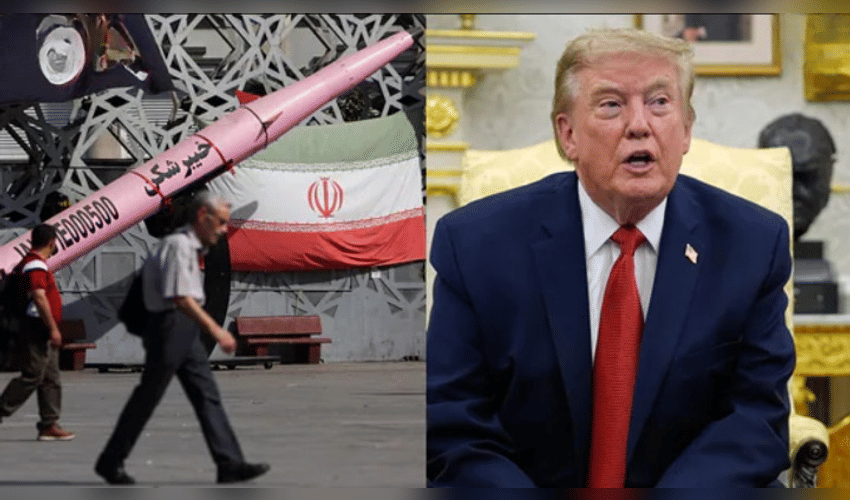

The US-Iran conflict has entered another tense phase after the United Arab Emirates suspended trade and financial dealings with Iran following the detection of missiles launched from Iranian territory. Tehran has rejected the allegation, while US President Donald Trump has intensified the dispute over the strategically important Strait of Hormuz by describing it as US territory. The UAE said its air-defence systems detected two ballistic missiles originating from Iran. According to Emirati authorities, the missiles were associated with maritime activity and eventually fell into the sea. No significant damage was reported.
Following the incident, Abu Dhabi announced a temporary halt to trade, commercial exchanges and financial transactions with Iran. The decision marks a significant development because the UAE has maintained extensive commercial ties with Iran despite years of political and security tensions between Tehran and Gulf countries.
Iran, however, has denied launching missiles toward the UAE. Iranian Foreign Ministry spokesperson Esmaeil Baghaei rejected the accusation and called the claim baseless. Tehran has warned that unverified allegations could further damage regional trust at a time when diplomatic efforts are already under severe pressure. The missile dispute has unfolded alongside a growing confrontation over the Strait of Hormuz, one of the world's most important maritime routes. The narrow waterway connects the Persian Gulf with the Gulf of Oman and is crucial for the transportation of oil and other energy supplies from the region to international markets.
Trump has further complicated the situation by sharing a map portraying the Strait of Hormuz as “NEW U.S. Territory.” The claim has triggered criticism and renewed debate over sovereignty and control of the waterway. The map does not represent an internationally recognised transfer of territory, but Trump's statement has added to tensions between Washington and Tehran.
Iran has rejected the US position and continues to insist on its sovereignty and regional rights. The dispute comes as shipping activity through the Strait of Hormuz remains under pressure because of the wider military confrontation. The uncertainty surrounding the waterway is also being closely watched by global energy markets. Any prolonged disruption to tanker traffic could increase shipping and insurance costs and put upward pressure on crude oil prices. Countries that depend heavily on Gulf energy supplies could face higher costs if the disruption continues.
Diplomatic efforts to reduce tensions have so far produced limited progress. Oman has remained involved in efforts to facilitate communication between Washington and Tehran, but disagreements over military operations, sanctions and the security of the Strait of Hormuz continue to complicate negotiations. The latest UAE-Iran dispute could further increase pressure on Gulf countries, which are attempting to protect their territory and economic interests while avoiding direct involvement in the wider US-Iran confrontation.
The UAE maintains that missiles were detected coming from Iran, while Tehran denies responsibility. At the same time, Trump's comments on the Strait of Hormuz have opened another contentious front in the crisis. With military tensions, disrupted shipping and stalled diplomacy continuing simultaneously, developments around the Strait of Hormuz are likely to remain a major focus for governments, energy markets and international businesses in the days ahead.



