



News
US-Iran Tensions Leave Pakistan Cornered as Diplomatic Options Narrow
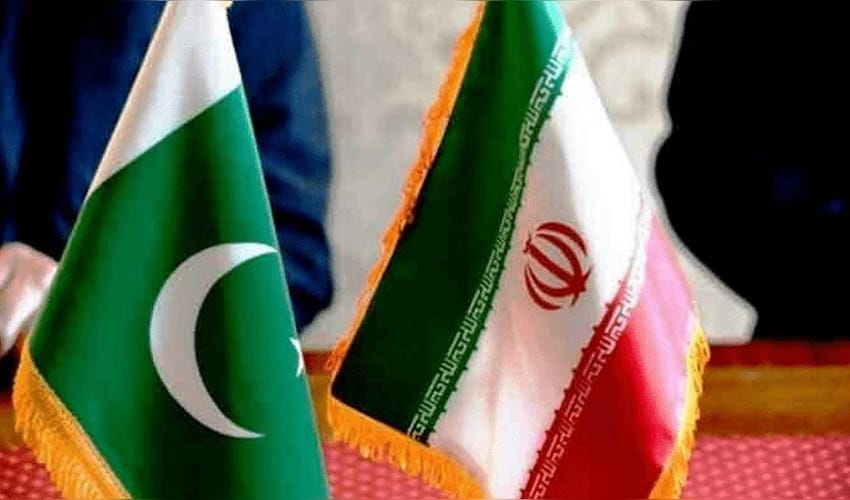

Pakistan is finding itself in an increasingly uncomfortable geopolitical position as tensions between the United States and Iran intensify, forcing Islamabad to juggle competing interests amid shrinking diplomatic space. The crisis has exposed Pakistan’s limited room for manoeuvre at a time when it is already grappling with economic distress and regional security challenges.
Islamabad has traditionally attempted to maintain a delicate balance between Washington and Tehran. While Pakistan relies on the United States for diplomatic support, financial stability, and engagement with global financial institutions, it also shares a long border with Iran and depends on Tehran for energy cooperation and regional connectivity. Escalating hostility between the two powers now threatens to disrupt this balancing act.
The situation is particularly sensitive for Pakistan’s fragile economy. Any expansion of U.S. sanctions on Iran could impact Pakistan’s trade, energy supplies, and cross-border economic activity. With foreign exchange reserves under pressure and IMF dependence continuing, Islamabad is wary of actions that could invite secondary sanctions or further strain ties with Washington.
Diplomatically, Pakistan has called for restraint and dialogue, projecting itself as a supporter of regional stability rather than confrontation. Officials have emphasised the need to avoid escalation while quietly engaging both sides to safeguard national interests. However, analysts argue that Pakistan’s influence over the unfolding crisis remains limited, reducing its role largely to damage control rather than active mediation.
The crisis has also highlighted Pakistan’s broader strategic vulnerability. Its reliance on external partners, coupled with internal political uncertainty, leaves it exposed when major powers clash. As the U.S.–Iran standoff deepens, Pakistan faces the risk of being pulled into a confrontation not of its making, with few viable options to shield itself from the fallout.
For Islamabad, the unfolding tensions serve as a stark reminder of the costs of economic fragility and strategic dependence. Until Pakistan stabilises its economy and diversifies its diplomatic partnerships, such external shocks are likely to continue placing it in difficult and constraining geopolitical positions.



