



World
US Deploys Stealth F-22 Fighters to Israel in Historic Move Amid Iran Tensions
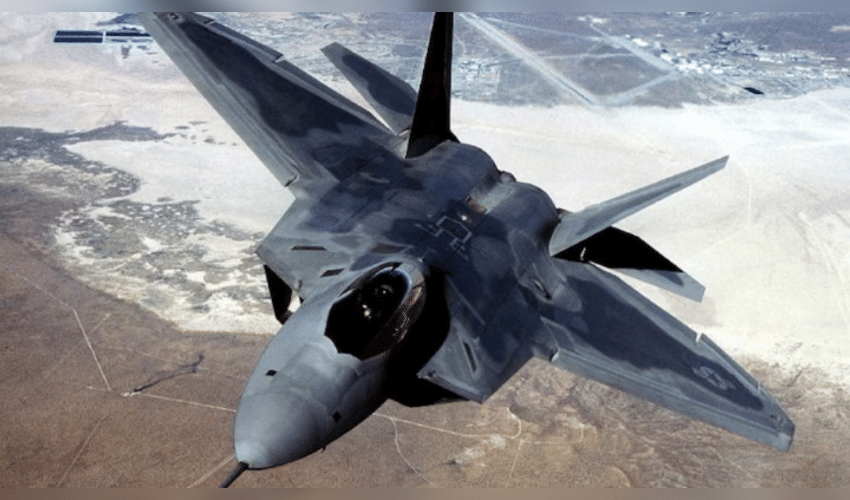

In a notable escalation of military signaling, the United States has deployed advanced F‑22 Raptor stealth fighters to Israel for the first time, according to defense and open‑source reports. The move comes amid heightened tensions with Iran over its nuclear program and regional influence, as Washington intensifies its military presence in the Middle East.
Around a dozen F‑22 Raptors reportedly landed at an Israeli airbase following a flight path from RAF Lakenheath in the United Kingdom, crossing the Eastern Mediterranean en route to Tel Aviv. The arrival of these fifth‑generation stealth fighters marks the first time U.S. combat aircraft of this type have been stationed in Israel for what appears to be a war‑related contingency mission. Neither the Pentagon nor the Israeli Defense Forces has issued a detailed public statement, but multiple sources describe the deployment as part of a broader U.S. force buildup in the region. This includes additional aircraft, warships, and support systems positioned to bolster Israel’s defenses and strengthen Washington’s rapid‑response options.
The F‑22 Raptor is widely regarded as one of the world’s most advanced air‑superiority fighters. Its stealth capabilities, advanced sensors, and long‑range weaponry allow it to operate deep inside contested airspace while avoiding detection by conventional radar. Stationing these jets in Israel shortens their flight time to potential Iranian targets and reduces dependence on complex refueling routes, thereby enhancing the credibility of any U.S. or joint strike option.
Beyond their tactical value, the open‑air landing and visible presence of the F‑22s serve as a strong political signal. The move underscores Washington’s readiness to back Israel with its most potent assets, even as diplomatic talks over Iran’s nuclear program continue in Geneva. President Donald Trump has publicly warned that he will order a strike if negotiations fail to ensure Iran never acquires a nuclear weapon.
The deployment also reflects a deeper integration of U.S. and Israeli military structures. In recent years, Israel has been reassigned from U.S. European Command to U.S. Central Command, paving the way for closer coordination and shared operational planning. Hosting U.S. stealth fighters inside Israel represents a practical realization of that alignment, allowing both militaries to share intelligence, early‑warning data, and joint command protocols.
For regional partners such as Saudi Arabia and the United Arab Emirates, the move may prompt fresh questions about their own defense arrangements with Washington. Some allies have reportedly declined to host U.S. combat aircraft on their bases, a stance that could affect future U.S. basing strategies in the Gulf. The arrival of U.S. stealth fighters in Israel has raised concerns about the potential for rapid escalation. Iran has threatened to retaliate against both Israel and U.S. assets across the region if it faces a military strike, and Tehran’s network of proxy forces in Iraq, Syria, Yemen, and Lebanon adds complexity to any conflict scenario. Analysts warn that any clash involving F‑22s and Iranian air defenses could quickly spiral into a broader regional war.
At the same time, the deployment underscores the delicate balance between diplomacy and deterrence. As nuclear talks proceed, the F‑22s serve as a visible reminder that Washington is preparing for all contingencies, even as it seeks a negotiated resolution. The move not only shifts the tactical dynamics in the skies over the Middle East but also reshapes the geopolitical calculus for Iran, Israel, and their regional backers. For viewers and readers tracking this unfolding crisis, the F‑22 deployment offers a stark illustration of how a small number of advanced fighters can influence global security in an era of high‑stakes brinkmanship.



