



World
US allies Saudi Arabia and the UAE are moving closer to entering the war against Iran.
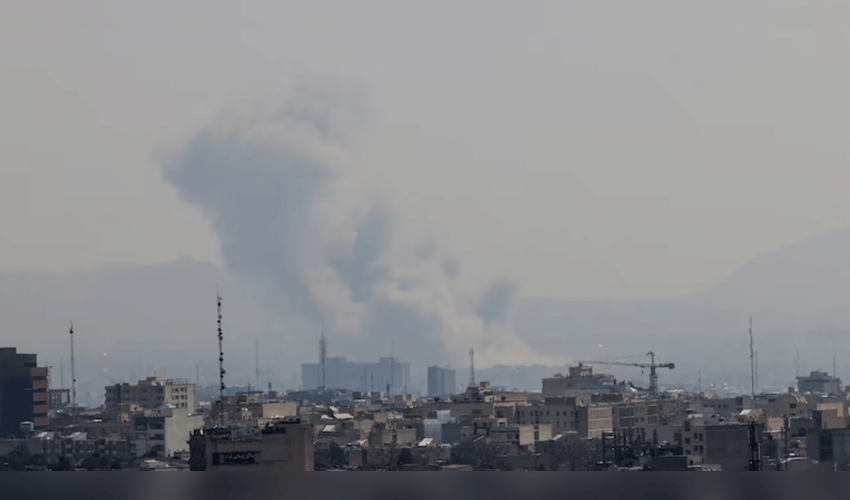

Riyadh and Abu Dhabi are quietly shifting toward a more active role in Washington’s campaign against Iran, signaling a potential turning point in how the Gulf approaches Tehran’s regional power. New reports indicate that Saudi Arabia has granted the United States expanded access to King Fahd Air Base in Taif, allowing U.S. forces to stage missions closer to Iran and effectively moving beyond earlier promises not to host offensive strikes against its neighbor.
The development suggests that at least two of Washington’s key Gulf allies are reassessing their stance as Iranian‑backed missile and drone attacks on U.S. installations in the region have intensified. Saudi officials have reportedly become more willing to push back against what they now view as discernible Iranian aggression, even if that means increased exposure to retaliation.
At the same time, the United Arab Emirates has tightened its domestic posture toward Iran, shutting down an Iranian‑owned hospital and a social club linked to Tehran’s influence network. Analysts say these steps are part of a broader effort to limit Iran’s political and logistical footholds in the Gulf economy, underscoring a move away from a purely defensive posture. Until recently, both Saudi Arabia and the UAE had publicly resisted any direct role in U.S. military action against Iran, warning that such involvement could drag them into a wider regional war. However, repeated Iranian missile tests and proxy attacks have raised concerns in Gulf capitals about the costs of inaction, especially as energy exports, shipping lanes, and overall stability remain sensitive to escalation.
Behind the scenes, Riyadh is said to be coordinating closely with other Gulf states, including Bahrain, Qatar, Kuwait, and Jordan, to form a more cohesive front in support of U.S. and Israeli efforts to contain Iran’s regional reach. That alignment is transforming what began as a limited U.S.–Israel standoff into a broader regional security dynamic, with Gulf monarchies increasingly willing to treat their U.S. bases not just as defensive shields, but as platforms for offensive operations.
Experts warn that any further step toward direct involvement by Saudi Arabia and the UAE could dramatically raise the risk of Iranian retaliation. Tehran has repeatedly stated that countries hosting U.S. forces should expect to be treated as legitimate targets, raising fears that critical infrastructure such as ports, oil facilities, and power stations could be drawn into the conflict.
The shift also risks deepening rifts within the Gulf itself. Some neighbors, including Qatar, have historically favored a more conciliatory approach to Iran and may be reluctant to fully embrace a U.S.-led anti‑Iran front. If Riyadh and Abu Dhabi move decisively into Washington’s camp, analysts say, it could reinforce Tehran’s narrative that the conflict is driven by a Sunni‑Arab alliance backed by Western powers.
For the wider Middle East, the reported moves by Saudi Arabia and the UAE mark a quiet but significant change in the region’s security calculus. Once hesitant to cross the line into what they saw as a U.S.–Iran confrontation, key Gulf states are now weighing the possibility that limited participation in a structured campaign may ultimately reduce long‑term risk—which could push the region further into open confrontation.



