



World
UAE Tankers Ignored Warnings, Iran Claims After Hormuz Strike Kills Indian Sailor
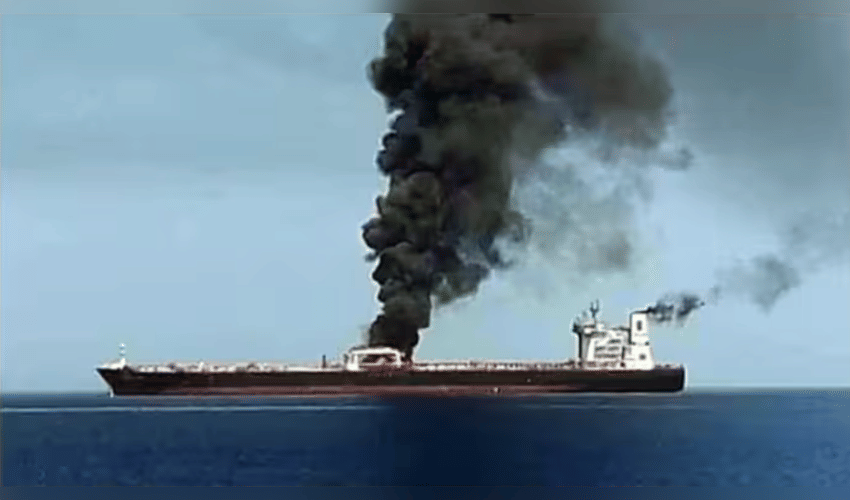

Iran has defended its missile strike on two UAE-linked oil tankers in the Strait of Hormuz, claiming the vessels ignored multiple warnings from Iranian forces before entering what it described as a restricted operational zone. The attack killed an Indian sailor and injured several other crew members, further escalating tensions in the strategically important Gulf region.
According to Iran's Islamic Revolutionary Guard Corps (IRGC), the tankers continued their voyage despite repeated radio warnings and had reportedly switched off their navigation systems while transiting the waterway. Iranian authorities said the ships' actions violated security measures imposed during ongoing military operations, prompting what Tehran called a defensive response.
The United Arab Emirates strongly rejected Iran's justification, accusing Tehran of carrying out cruise missile strikes on two of its national oil tankers sailing through the southern lane of the Strait of Hormuz in Omani territorial waters. UAE officials described the attack as a serious breach of international law and said emergency response teams managed to extinguish fires aboard both vessels, preventing a larger catastrophe.
The strike claimed the life of an Indian crew member, while eight others sustained injuries, including several Indian nationals. Some of the injured are reported to be in critical condition. The incident has raised fresh concerns over the safety of Indian seafarers, who make up a significant share of the global merchant shipping workforce and regularly operate in the Gulf region.
The latest attack comes amid rapidly deteriorating relations between Iran and the United States, with the wider Middle East witnessing an increase in missile attacks, drone operations, and military deployments. Commercial shipping through the Strait of Hormuz has become increasingly vulnerable as regional tensions continue to intensify. The Strait of Hormuz remains one of the world's busiest maritime chokepoints, handling a substantial portion of global crude oil and liquefied natural gas exports. Any disruption to navigation through the narrow passage has the potential to affect international energy markets, increase shipping costs, and delay global trade.
Maritime analysts say the latest attack is likely to prompt shipping companies to strengthen security measures, reassess sailing schedules, and seek naval escorts where available. Rising geopolitical risks could also lead to higher insurance premiums for vessels operating in the Gulf. Diplomatic reactions are expected in the coming days as governments monitor developments closely. With both Iran and the UAE standing firm on their positions, concerns remain that further escalation could threaten freedom of navigation in one of the world's most critical energy corridors.



