



Economy
Trump Urges Fresh Leadership to Replace Khamenei's Rule in Iran.
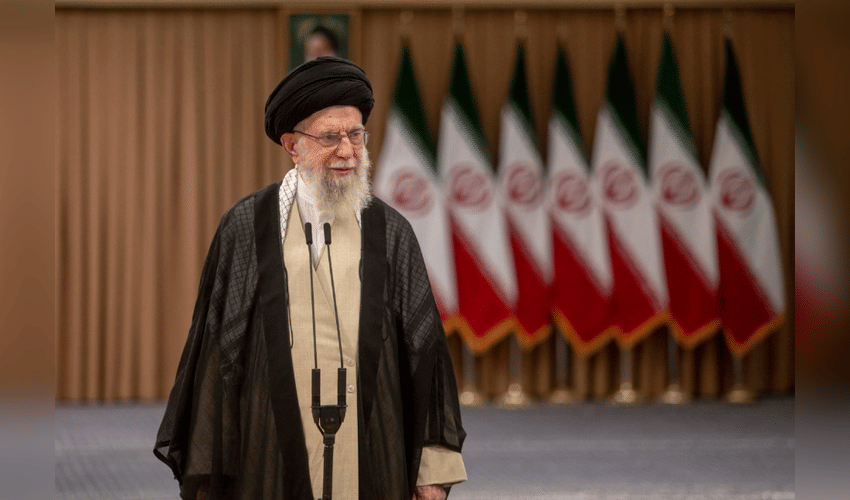

President Donald Trump has openly called for a change in Iran's top leadership, declaring it's time for Supreme Leader Ayatollah Ali Khamenei to step aside amid escalating protests rocking the country.
This bold statement came during a recent interview with Politico, where Trump reacted to Khamenei's social media posts blaming him for the unrest and deaths of thousands of demonstrators. Khamenei labeled Trump a "criminal" responsible for casualties and accused the U.S. of orchestrating sedition, while claiming Iran had defeated American schemes. Trump fired back by calling Khamenei a "sick man" who rules through fear and violence, urging Iranians to seek leaders focused on respect and proper governance rather than destruction.
The remarks intensify a heated exchange between Washington and Tehran, set against widespread protests that have led to several thousand deaths, economic woes, and a government crackdown. Iranian President Masoud Pezeshkian warned that any attack on Khamenei equates to all-out war, as schools reopen and internet access resumes after blackouts hid the violence. Trump, who has moved U.S. military assets closer without striking yet, encouraged protesters to seize institutions, promising help is coming.
Such rhetoric echoes Trump's past "maximum pressure" approach on Iran, from withdrawing from the nuclear deal to Soleimani's 2020 killing, which rattled the regime but didn't topple it. Globally, leadership shifts via public pressure have succeeded elsewhere—like Tunisia's 2011 Arab Spring ousting Ben Ali or Sudan's 2019 army coup against Bashir—offering hope yet cautioning against chaos. In Iran, youth-led fury over inflation, corruption, and repression mirrors the 2022 Mahsa Amini uprising, signaling deep regime fatigue.
As tensions simmer without immediate war, Trump's words spotlight Iran's crossroads: cling to hardliners amid sanctions and isolation, or embrace reform for stability and growth. For the region, this could reshape alliances, ease proxy conflicts in Yemen or Lebanon, and open economic doors if change sticks—much like post-Mubarak Egypt's rocky but evolving path. The world watches closely, hoping diplomacy tempers the brinkmanship.