



Technology
Trump Orders U.S. Government to Cut Ties With AI Firm Anthropic, Says "Don't Do Business With Them Again'
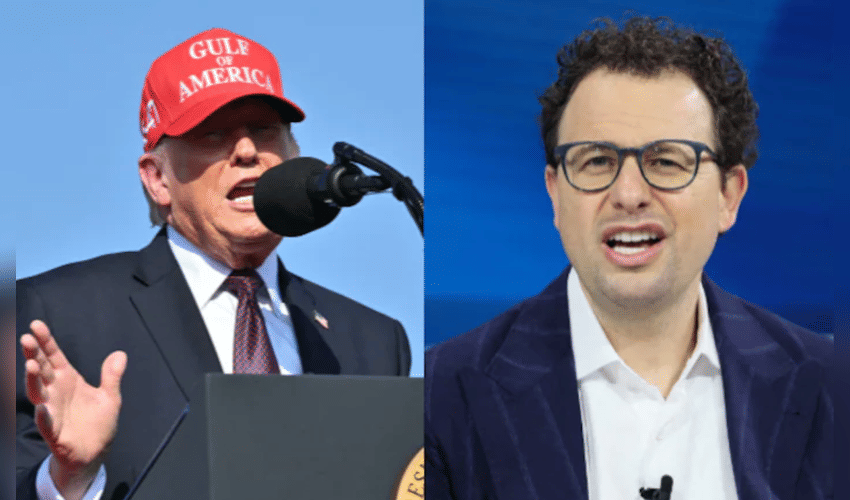

President Donald Trump has ordered all U.S. federal agencies to stop using technology from artificial‑intelligence startup Anthropic and has effectively ruled out any future government contracts with the company. In a fiery Truth Social post on Friday, Trump declared that the administration “won’t do business with them again,” escalating a bitter clash between the White House and one of Silicon Valley’s leading AI labs over the military use of artificial intelligence.
Trump’s message instructs every federal department to immediately halt the use of Anthropic’s AI tools. The Pentagon, which has an existing contract with the firm worth around $200 million, is being given a six‑month window to phase out Anthropic‑powered systems from its operations. The president also warned that if the company proves uncooperative, he will use “the full power of the Presidency” to enforce compliance, hinting at possible civil and even criminal consequences.
The move comes amid growing tensions between the Trump administration and certain AI firms whose terms of service place limits on how their technology can be used in warfare and surveillance. By cutting Anthropic off from federal business, the White House is signaling that it will not tolerate private companies placing ethical constraints on how U.S. defense agencies deploy AI.
At the heart of the dispute is Anthropic’s refusal to allow unrestricted use of its AI models in fully autonomous weapons systems and in large‑scale domestic surveillance programs. According to reports, the company has told the Pentagon it “cannot in good conscience” authorize open‑ended military‑use clauses that would let the U.S. government deploy its models in any combat or surveillance scenario.
Trump has publicly criticized Anthropic’s leadership, calling them “left‑wing nut jobs” and accusing them of trying to dictate the Pentagon’s behavior instead of respecting executive and constitutional authority. From his perspective, national security should not be constrained by the ethical preferences of a private tech firm. For the AI industry, this confrontation highlights the growing pressure on developers to balance innovation, safety, and national‑security demands.
The decision to blacklist Anthropic sends a powerful signal to the broader AI industry: Washington is unlikely to tolerate companies that limit how the military can deploy cutting‑edge technology. Other AI firms are now likely to review their contracts and terms of use to avoid being caught in a similar political crossfire. In the defense sector, the move opens space for rival AI companies to step in. Within hours of Trump’s announcement, reports emerged that OpenAI had reached a new agreement with the Pentagon, suggesting that defense departments are eager to maintain access to AI tools even as they pivot away from specific vendors.
Trump’s “won’t do business with them again” remark is as much a political statement as it is a policy directive. It feeds into his broader narrative of confronting coastal tech elites and asserting presidential control over national‑security decisions. The standoff with Anthropic also underscores how AI is becoming a central front in the broader battle between Silicon Valley and Washington, with the military‑AI relationship turning into a high‑stakes political football. For the public, the episode raises fundamental questions about who should decide the boundaries of AI in war and national security. As artificial intelligence becomes deeply embedded in defense systems, the tug‑of‑war between ethical guardrails and operational flexibility is only likely to intensify.



