



Economy
Rising Saudi-UAE Rift Puts Pakistan in Diplomatic Bind; Shehbaz and Military Brass Pressured to Take Sides
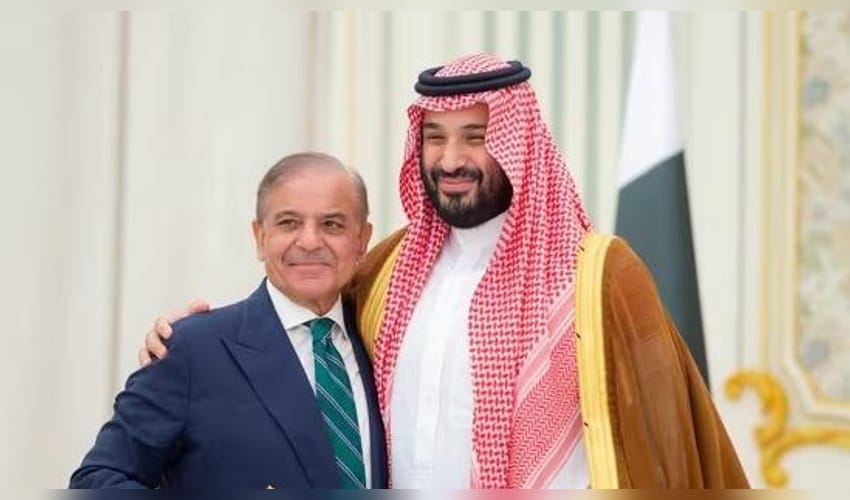

Pakistan is facing mounting diplomatic pressure as escalating tensions between Saudi Arabia and the United Arab Emirates (UAE) place the financially strained nation in an increasingly difficult strategic position, according to analysts and former military figures. Observers say the rivalry between Riyadh and Abu Dhabi — amplified by disagreements over regional policy and influence — is forcing smaller Muslim states to pick sides, leaving Pakistan’s leadership attempting to navigate a delicate balancing act.
Former Pakistani Army Major Adil Raja, now based in the UK, noted that Islamabad and other allied countries such as Egypt find themselves “caught in the middle” of a growing geopolitical tug-of-war. Saudi Arabia is expanding its alliances across the Middle East, while the UAE — backed by Israel — is seen as resisting Riyadh’s ambitions.
Saudi Crown Prince Mohammed bin Salman has reportedly taken a more assertive regional stance, including reassigning responsibilities such as aid distribution in Gaza — shifts that were previously coordinated by the UAE. This realignment has placed added pressure on Pakistan’s government and military leadership to publicly clarify their position. Raja’s commentary suggests that Pakistan’s Army Chief, Field Marshal Asim Munir, and Prime Minister Shehbaz Sharif are under particular scrutiny as Riyadh seeks explicit support from Islamabad.
Relations with the Gulf states are especially sensitive for Pakistan because of longstanding economic ties. Saudi Arabia remains a key source of financial aid and oil support, while the UAE has been an important investor and creditor. Pakistan’s economic fragility — often described by analysts as nearing bankruptcy — means losing or weakening support from either Gulf power could have serious repercussions for its already fragile economy.
Reports also suggest that Pakistan’s efforts to secure meetings with Saudi leadership have encountered challenges, and that Riyadh has postponed or cancelled high-level talks, including key engagements involving military and political leaders. In parallel, some Gulf partners have reportedly put pressure on Islamabad to make a clear diplomatic choice, complicating Pakistan’s policy of maintaining balanced ties.
Experts say Islamabad’s situation highlights the broader challenge for medium powers that depend on multiple alliances: when major patrons fall into rivalry, smaller partners are forced into uncomfortable diplomatic trade-offs. For Pakistan, the current dynamics expose deeper vulnerabilities — both geopolitical and economic — and raise questions about the country’s strategic autonomy and foreign policy coherence as it navigates a fractious regional environment.
Disclaimer: This image is taken from Hindustan Times.



