



News
Pakistan Suspends Geo News for 15 Days Over 'Offensive' Muharram Broadcast
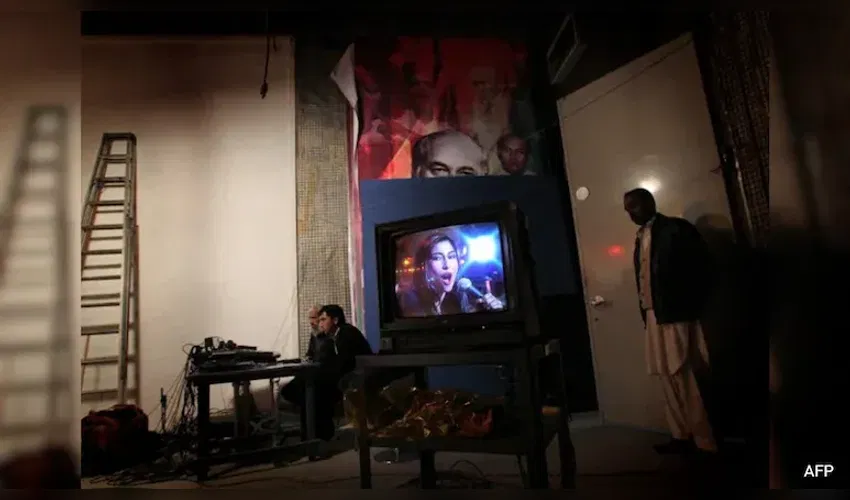

Pakistan's media regulatory authorities have suspended the transmission of Geo News for 15 days over the airing of content during Muharram that was deemed "offensive" and in violation of broadcasting regulations. The decision has sparked fresh debate over media freedom, religious sensitivities, and the increasing scrutiny faced by news organizations in the country.
According to the Pakistan Electronic Media Regulatory Authority (PEMRA), the suspension followed complaints regarding the channel's Muharram programming, which allegedly contained remarks and content considered objectionable by regulators. Muharram, the first month of the Islamic calendar, holds profound religious significance, particularly for the Shia Muslim community, and authorities in Pakistan typically enforce strict guidelines on media coverage during the period to prevent sectarian tensions.
In its official order, PEMRA stated that the broadcast violated provisions of the country's electronic media code of conduct. The regulator argued that television channels have a responsibility to ensure that religious programming does not promote controversy, offend religious sentiments, or create conditions that could disturb public order.
Geo News, one of Pakistan's largest and most influential private news channels, has not publicly accepted the allegations. The broadcaster is expected to challenge the suspension through legal channels, arguing that the disputed content has been taken out of context and that the penalty is disproportionate.
The suspension has drawn mixed reactions across Pakistan's media landscape. Supporters of the regulatory action argue that broadcasters must exercise greater caution while covering sensitive religious events. They contend that even unintended remarks or interpretations can inflame sectarian divisions in a country that has witnessed periodic violence linked to religious tensions.
Critics, however, see the move as another example of increasing pressure on Pakistan's independent media. Press freedom advocates argue that lengthy suspensions and heavy penalties create an atmosphere of self-censorship, where television channels may avoid discussing sensitive issues altogether for fear of regulatory action.
Pakistan's media industry has faced growing challenges in recent years, with journalists and broadcasters frequently raising concerns over restrictions on editorial independence. Several media organizations have reported facing temporary transmission disruptions, financial pressures, regulatory notices, and legal proceedings that they believe have narrowed the space for independent journalism.
The latest action against Geo News adds to a broader pattern of regulatory interventions that have affected prominent television networks. While PEMRA maintains that its actions are intended to enforce broadcasting standards and preserve public harmony, critics argue that enforcement often appears inconsistent and disproportionately affects high-profile media outlets.
Religious programming during Muharram has historically been subject to close monitoring in Pakistan. Television channels are expected to adhere to strict editorial guidelines, avoid controversial religious debates, and ensure that broadcasts do not contain language or material that could be interpreted as inflammatory. Authorities typically increase monitoring of television, radio, and social media platforms during the observance.
Media analysts note that balancing freedom of expression with the need to prevent sectarian conflict remains one of the most difficult challenges for Pakistani regulators. Pakistan's diverse religious landscape requires careful handling of sensitive issues, but experts also warn that excessive restrictions can undermine public confidence in independent journalism and democratic discourse.
The suspension is also likely to have commercial consequences for Geo News. A 15-day blackout could result in advertising losses, reduced viewership, and operational challenges, particularly during a competitive news cycle. Industry observers believe that prolonged regulatory actions not only affect broadcasters financially but also influence editorial decisions across the wider media sector.
International organizations that monitor press freedom have repeatedly expressed concern over the state of media independence in Pakistan. They have urged authorities to ensure that regulatory measures remain transparent, proportionate, and consistent with constitutional guarantees of freedom of expression. At the same time, they acknowledge the importance of responsible journalism when covering issues with the potential to inflame religious tensions.
The controversy has once again highlighted the delicate balance between maintaining public order and safeguarding press freedom. While regulators insist that strict oversight is necessary during sensitive religious occasions such as Muharram, journalists and media rights groups argue that disciplinary actions should be fair, transparent, and subject to judicial review.
As Geo News prepares its legal response, the case is expected to become another significant test of Pakistan's media regulatory framework. The outcome could influence how broadcasters approach religious programming in the future and shape the ongoing debate over the limits of editorial independence, regulatory authority, and freedom of the press in Pakistan.
Disclaimer : This image is taken from NDTV.



