



World
Pakistan's Twin Insurgencies Highlight a Persistent National Security Challenge
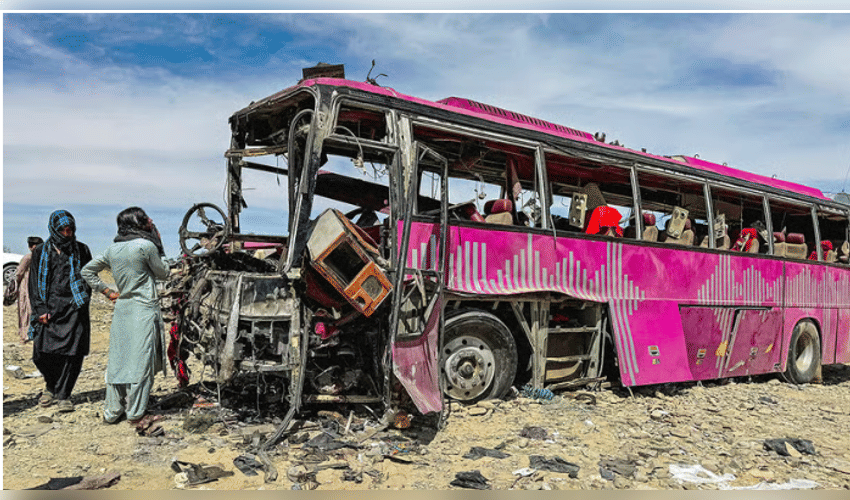

Pakistan is confronting two distinct but increasingly serious insurgencies that are placing growing pressure on the country's security apparatus and political leadership. In the southwestern province of Balochistan, separatist groups continue to challenge state authority through attacks on security forces, infrastructure, and strategic projects. The insurgency is rooted in longstanding grievances related to political representation, resource distribution, and economic development. Despite repeated military operations, militant groups have demonstrated an ability to adapt and carry out increasingly sophisticated attacks.
Meanwhile, in the northwestern province of Khyber Pakhtunkhwa, Pakistan faces a separate threat from Islamist militant organizations, particularly the Tehreek-e-Taliban Pakistan (TTP). Since the Taliban's return to power in neighboring Afghanistan in 2021, militant activity in Pakistan's border regions has intensified, leading to frequent attacks on security personnel and government installations.
The two insurgencies differ significantly in their objectives. Baloch separatist groups focus on regional autonomy and independence-related demands, while Islamist militants seek to challenge the Pakistani state through ideological and religious objectives. Analysts argue that treating both threats through identical security approaches may limit the effectiveness of counterinsurgency efforts.
Recent reports indicate that militant violence remains concentrated in Balochistan and Khyber Pakhtunkhwa, even when overall national casualty figures fluctuate. Security forces continue conducting operations against both separatist and Islamist groups, but attacks have persisted, demonstrating the resilience of insurgent networks.
The challenge extends beyond security considerations. Economic pressures, governance concerns, and local grievances contribute to instability in affected regions. In Balochistan, attacks on infrastructure and foreign investment projects have raised concerns about economic development and investor confidence. In Khyber Pakhtunkhwa, cross-border dynamics involving Afghanistan complicate efforts to contain militant activity.
Critics argue that Pakistan's reliance on military solutions has not fully addressed the political and socioeconomic factors that fuel unrest. Supporters of the government's approach counter that strong security measures remain necessary to prevent further deterioration of the situation. As Pakistan balances economic recovery efforts with mounting security demands, the persistence of these two insurgencies underscores the complexity of the country's internal challenges. Whether Islamabad can combine effective security operations with broader political and economic reforms may determine its ability to achieve long-term stability.