



News
Pakistan's Strategic Weakness Exposed as Iran Blocks Ships in Hormuz
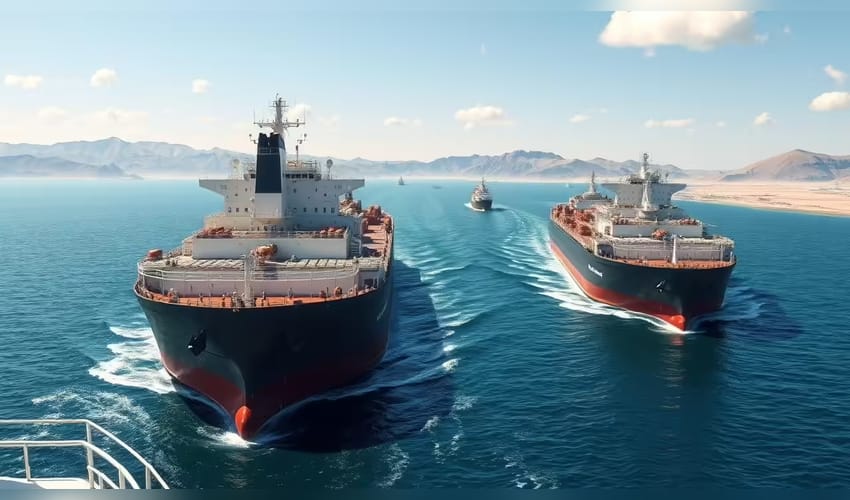

The recent incident in which Iran stopped Pakistan-bound vessels from crossing the Strait of Hormuz without prior permission is not just a maritime disruption it is a stark exposure of Pakistan’s fragile geopolitical standing and reactive foreign policy.
A Sovereignty Reality Check
Reports indicate that Iranian authorities have made it clear that no vessel can pass through Hormuz without Tehran’s approval. When Pakistan-linked ships were halted amid rising tensions, it underscored a humiliating reality: Pakistan does not control its own critical supply routes. For a country heavily dependent on Gulf energy imports, this is not a minor inconvenience. It is a strategic vulnerability that cuts to the core of national security and economic stability.
Dependency Without Leverage
Pakistan often portrays itself as a key regional player, balancing ties with Iran, Saudi Arabia, and the United States. However, this episode suggests the opposite. It reveals a country that lacks leverage over Iran, cannot guarantee safe passage for its own trade, and is compelled to negotiate from a position of weakness.
Even when a Pakistani tanker was eventually allowed to pass, it reportedly required prior coordination and political clearance rather than routine maritime freedom. This reinforces the perception that Pakistan’s access to critical routes is conditional, not sovereign.
Diplomatic Ambiguity Backfires
Islamabad’s long-standing balancing act in the Middle East now appears to be backfiring. Attempting to remain neutral between rival regional powers has resulted in limited trust from Iran, increased dependence on Gulf allies, and an absence of decisive strategic alignment. In times of crisis, neutrality without strength does not translate into flexibility it often leads to irrelevance.
Economic Risks Mounting
The Strait of Hormuz handles a significant portion of global oil trade, making any disruption a serious threat to Pakistan’s economic stability. Energy security becomes uncertain, import costs rise, and inflationary pressures intensify. With global shipping already under strain and oil prices prone to volatility, Pakistan remains particularly vulnerable due to its economic fragility and heavy reliance on imported energy.
A Wake-Up Call
This episode should serve as a moment of reflection for policymakers in Pakistan. It highlights the urgent need for a more coherent foreign policy, stronger economic foundations, and greater strategic independence. Until such changes are made, Pakistan risks continuing in a position where its critical interests depend not on its own decisions, but on the approval of more assertive regional powers controlling vital global chokepoints.
This image is taken from Times of India.



