



News
Pakistan's Rising Taxes Turn Burials into a Costly Burden for Grieving Families
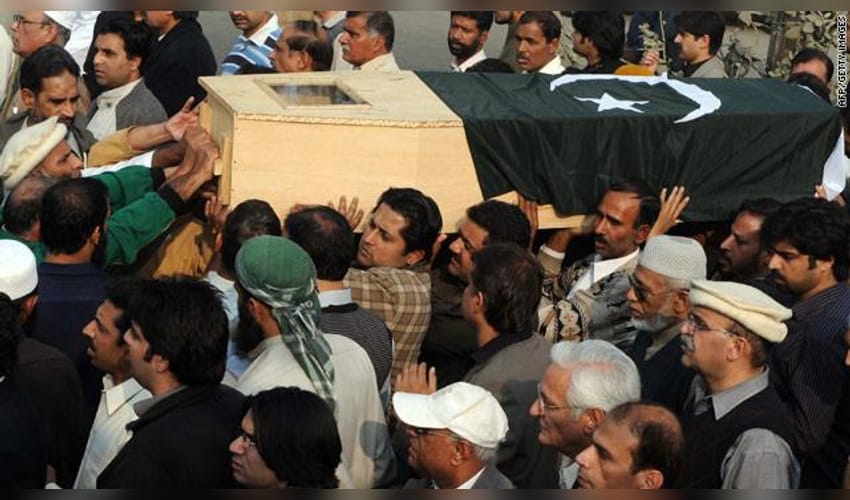

For many families in Pakistan, the loss of a loved one is now accompanied by an additional hardship: the rising financial cost of arranging a dignified burial. Inflation, increasing service charges, and higher taxes on goods and services linked to funeral arrangements have made one of life's most solemn obligations significantly more expensive.
Items such as burial shrouds, grave preparation, transportation, flowers, and funeral-related services have all become costlier in recent years. Families already struggling with rising food prices, electricity bills, and healthcare expenses often find themselves borrowing money or seeking charitable assistance simply to afford a proper burial.
Critics argue that while governments require revenue to address economic challenges, placing greater financial pressure on ordinary citizens during moments of personal tragedy reflects poorly on public policy priorities. They contend that essential end-of-life services should be protected from excessive taxation or indirect fiscal measures that increase costs for grieving families.
The broader issue extends beyond funerals. Pakistan's rising tax burden has become a source of public frustration, with many citizens questioning whether higher taxes are matched by improvements in public services, healthcare, infrastructure, or social welfare. Businesses also report that increasing taxes and compliance costs contribute to higher prices that are ultimately passed on to consumers.
Supporters of the government's fiscal policies argue that Pakistan faces difficult economic realities, including budget deficits, debt obligations, and commitments to international financial institutions. They maintain that expanding tax collection is necessary to stabilize the economy and fund essential government functions. However, critics counter that reforms should focus more heavily on broadening the tax base, improving tax administration, and reducing wasteful spending rather than increasing the financial burden on those already struggling.
A society is often judged by how it treats its most vulnerable citizens. Ensuring that families can bury their loved ones with dignity and without severe financial strain should remain a public policy priority. As Pakistan continues to pursue economic reforms, policymakers face the challenge of balancing fiscal responsibility with compassion, ensuring that necessary revenue measures do not place disproportionate burdens on citizens during their most difficult moments.
Disclaimer : This image is taken from CNN.



