



News
Pakistan Rejects US Push To Join Abraham Accords Amid Iran Peace Talks
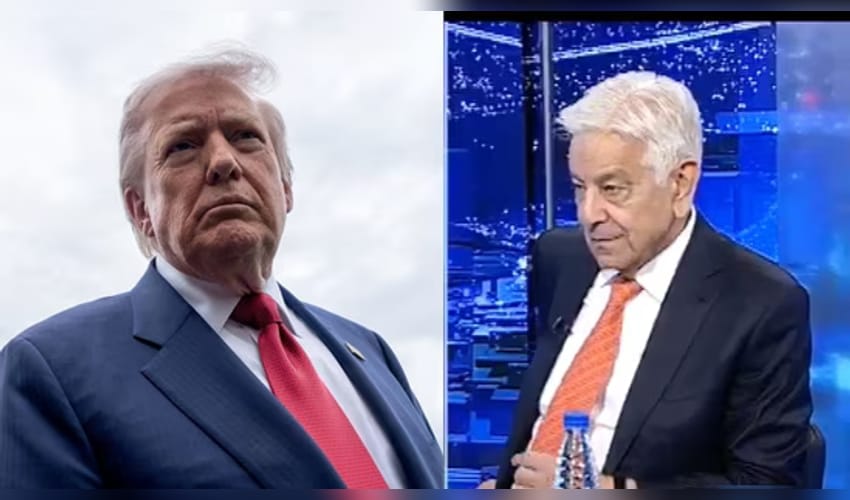

Pakistan has publicly rejected a reported US proposal linking its role in the Iran peace process to joining the Abraham Accords, exposing Islamabad’s growing diplomatic discomfort as it struggles to balance ties between Washington, Tehran, Saudi Arabia and China.
Pakistan Defence Minister Khawaja Muhammad Asif said Islamabad would not support any arrangement that clashes with the country’s “fundamental ideologies,” firmly dismissing suggestions that Pakistan could normalise relations with Israel under the Abraham Accords framework.
The remarks came after US President Donald Trump reportedly urged countries involved in ongoing Iran negotiations including Pakistan, Saudi Arabia, Qatar, Turkey, Egypt and Jordan to join the Abraham Accords as part of a broader regional peace initiative.
Pakistan’s refusal once again highlights Islamabad’s increasingly contradictory foreign policy posture. While trying to present itself as a key mediator in the US-Iran crisis, Pakistan is simultaneously attempting to maintain domestic political support rooted in strong pro-Palestinian sentiment and longstanding opposition to recognising Israel.
Khawaja Asif reportedly stated that recognising Israel was “not acceptable to us” and reiterated Pakistan’s official stance that no diplomatic recognition could take place until a Palestinian state is established on pre-1967 borders with East Jerusalem as its capital.
The controversy has also exposed the limitations of Pakistan’s mediation ambitions. Analysts say Islamabad is attempting to project itself as an influential diplomatic player in West Asia despite facing deep domestic instability, economic dependency and growing reliance on Chinese support.
Critics argue Pakistan’s leadership is trapped in an increasingly difficult balancing act. On one hand, Islamabad seeks closer engagement with Washington and Gulf allies. On the other, it cannot afford domestic backlash over any perceived softening toward Israel due to strong political and religious sensitivities inside Pakistan.
Observers further note that Pakistan’s foreign policy appears heavily military-driven, with Army chief Field Marshal Asim Munir playing a far more visible role in regional diplomacy than civilian institutions. Analysts say this reinforces long-standing concerns about the military establishment’s dominance over Pakistan’s strategic decision-making.
The Abraham Accords, first signed in 2020, normalised relations between Israel and several Arab nations including the UAE and Bahrain. However, expanding the framework has become increasingly difficult amid continuing anger across the Muslim world over the Gaza conflict and Israeli military operations.
Regional experts warn that Pakistan’s rejection may complicate its efforts to remain central to US-Iran diplomacy. Islamabad has already faced criticism over its inconsistent positioning publicly mediating with Tehran while simultaneously strengthening military cooperation with Saudi Arabia and depending heavily on Beijing for strategic backing.
The episode has once again underlined Pakistan’s fragile geopolitical position, where attempts to gain diplomatic relevance abroad continue to collide with domestic political pressures, economic weakness and competing regional alliances.
Disclaimer : This image is taken from Hindustan Times.



