



News
Pakistan Receives Billion Dollors from Saudi Arabia: Relief Today, Risks Tomorrow
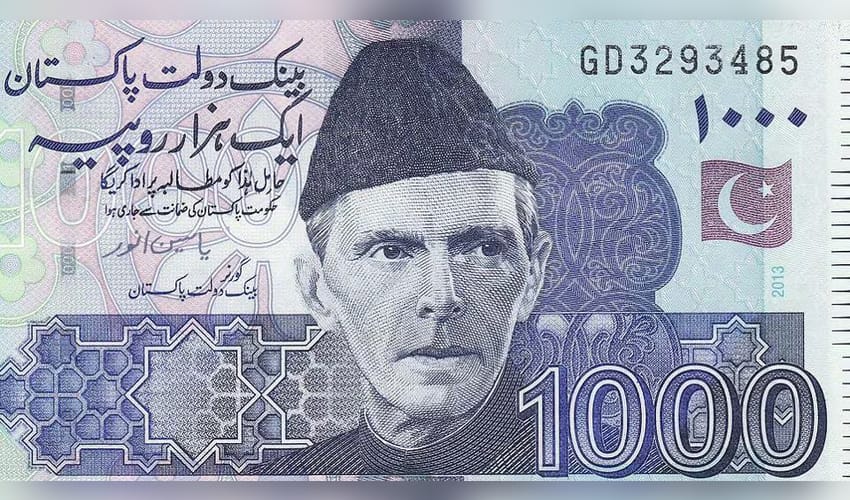

Pakistan has received a fresh $2 billion deposit from Saudi Arabia, confirmed by the State Bank of Pakistan, providing immediate support to the country’s strained foreign exchange reserves. While the government has welcomed the move as a sign of strong bilateral ties, the development has reignited debate over Pakistan’s increasing dependence on external financial assistance.
Temporary Relief for a Fragile Economy
The latest inflow comes at a time when Pakistan is grappling with low reserves, high inflation, and mounting external debt obligations. The additional funds are expected to stabilize the rupee in the short term and help Islamabad meet urgent payment commitments. Saudi Arabia, a long-time ally, has repeatedly stepped in during Pakistan’s economic crises, reinforcing its position as a key financial lifeline for the country.
A Pattern of Dependence
However, critics argue that such financial support reflects a deeper structural problem. Instead of addressing long-standing economic weaknesses—such as a narrow tax base, weak exports, and reliance on imports—Pakistan continues to rely on stopgap external funding. This is not the first bailout from Saudi Arabia, and analysts warn that repeated deposits risk creating a cycle where economic reforms are delayed while debt obligations continue to grow.
IMF Pressure and Reform Challenges
Pakistan is currently under an economic reform programme supported by the International Monetary Fund, which requires fiscal discipline, subsidy cuts, and structural changes. While the Saudi deposit may help Pakistan meet IMF benchmarks in the short term, it does little to resolve underlying issues. Economists caution that without meaningful reforms, such financial injections merely postpone a deeper economic crisis.
Strategic Support or Strategic Leverage?
Beyond economics, the assistance also highlights Pakistan’s close strategic relationship with Saudi Arabia. From defense cooperation to political alignment, the two countries share deep ties. Yet, growing reliance on a single partner raises concerns about policy independence. Increased financial dependence could potentially translate into geopolitical leverage, limiting Pakistan’s room for independent decision-making.
The $2 billion deposit offers much-needed breathing space, but it is not a long-term solution. For sustainable economic stability, Pakistan will need to expand its tax base, boost exports, and reduce its reliance on imports and external borrowing. Ultimately, the latest financial support underscores a recurring reality: short-term relief continues to mask long-term vulnerability, and without structural reforms, Pakistan risks remaining trapped in a cycle of crisis and bailout.
Disclaimer : This image is taken from Hindustan Times.