



World
Oil Prices Rise for Fourth Consecutive Day Amid Escalating Strait of Hormuz Tensions
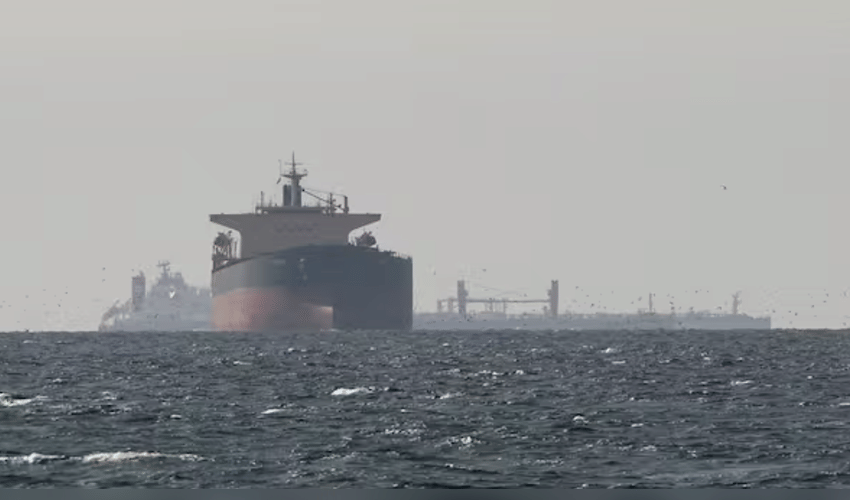

Global oil prices extended their gains for a fourth straight trading session as rising tensions in and around the Strait of Hormuz heightened fears of potential disruptions to global crude oil supplies. The latest escalation in the strategically important waterway has increased uncertainty across international energy markets, prompting investors to closely monitor developments.
Brent crude futures remained above the $85 per barrel mark, while U.S. benchmark West Texas Intermediate (WTI) also posted steady gains. Analysts attribute the rally primarily to geopolitical risks rather than changes in supply-demand fundamentals, as concerns grow over the safety of oil shipments passing through the Gulf.
The Strait of Hormuz, located between Iran and Oman, is one of the world's most critical maritime trade routes. Nearly one-fifth of global oil consumption passes through this narrow shipping lane each day, making any military activity or security threat in the region a major concern for energy markets worldwide. Recent attacks and heightened military operations have raised fears that commercial tanker traffic could face delays or security risks. Although oil exports have not been significantly disrupted so far, traders are factoring in the possibility of supply interruptions if the conflict intensifies.
Market experts say geopolitical uncertainty often leads to a "risk premium" in oil prices, as buyers seek to secure supplies before any potential disruptions occur. This has contributed to the sustained upward momentum seen over the past four trading sessions. The rise in crude prices could have wider economic implications if the trend continues. Higher oil prices typically increase transportation and manufacturing costs, which may eventually lead to higher fuel prices for consumers and increased inflationary pressures across many economies.
For major oil-importing countries such as India, sustained increases in crude prices could result in a higher import bill and place additional pressure on domestic fuel pricing and government finances. However, the overall impact will largely depend on how long the geopolitical tensions persist and whether shipping operations through the Strait of Hormuz remain unaffected.
Energy analysts believe market volatility is likely to continue in the near term, with investors expected to react swiftly to any fresh military developments or diplomatic initiatives. Any further escalation could push crude prices even higher, while signs of de-escalation may help stabilize the market. As global markets remain on edge, the Strait of Hormuz continues to be at the center of attention, underscoring its vital role in maintaining stability in the international energy supply chain.



