



Economy
Macron's Successor Race Heats Up as More Than 30 Candidates Set Their Sights on France's Presidency
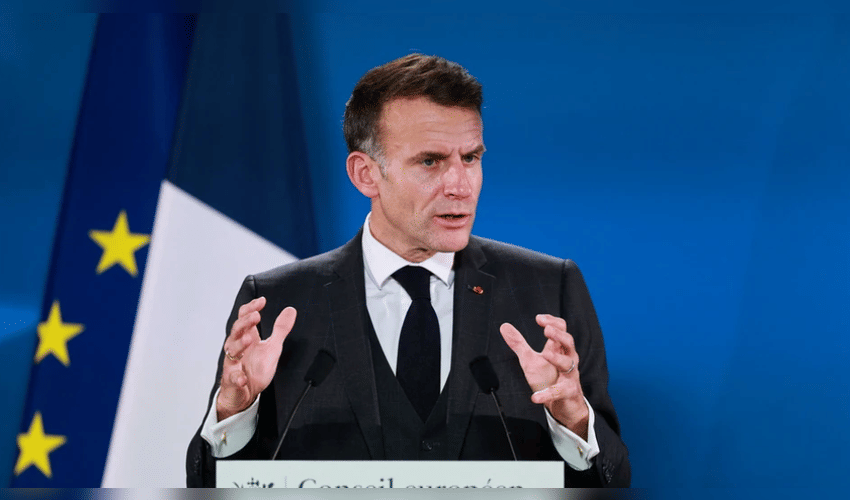

The race to succeed French President Emmanuel Macron is gaining momentum, with more than 30 declared or potential candidates reportedly considering a run for the country's top political office ahead of the 2027 presidential election. The growing list of contenders reflects increasing political competition in France, where established party leaders, independent politicians and public figures are positioning themselves for a chance to enter the Élysée Palace.
Macron, who is serving his second presidential term, cannot seek an immediate third consecutive term under France's constitutional rules. His departure is expected to open a significant political battle, with candidates across the ideological spectrum attempting to build support among voters. Among the prominent names in the emerging contest are far-right National Rally leader Marine Le Pen, left-wing politician Jean-Luc Mélenchon, former prime minister Dominique de Villepin and Cannes Mayor David Lisnard. Their potential campaigns highlight the diversity of political positions competing for influence as the election approaches.
The contest has also attracted attention beyond traditional political circles. Five-time Olympic judo champion Teddy Riner has expressed interest in entering the presidential race, adding an unconventional dimension to an already crowded political landscape. Le Pen remains one of the most closely watched figures in the campaign. Her National Rally party has strengthened its position in French politics by focusing on immigration, public security, national identity and the cost of living. However, her legal circumstances and eligibility have remained important issues surrounding her political future.
Mélenchon is seeking to strengthen the position of his left-wing movement, La France Insoumise. His campaign is expected to focus on economic inequality, workers' rights, public services and changes to France's economic policies. On the centre-right, David Lisnard has attracted growing attention with his proposals for economic reforms, reduced bureaucracy and lower public spending. His emergence could complicate the prospects of other moderate and conservative candidates, including former prime minister Édouard Philippe.
Former prime minister Dominique de Villepin is also seeking to re-establish his political influence. His experience in government and international diplomacy could appeal to voters looking for an experienced alternative to the existing political leadership. Despite the growing number of potential candidates, securing a place on the official ballot will remain a significant challenge. French presidential hopefuls must obtain at least 500 endorsements from elected officials, subject to geographical distribution requirements. Consequently, not everyone announcing a presidential ambition will necessarily qualify to contest the election.
Economic concerns are expected to play a central role in the campaign. France continues to face pressure over its public debt, budget deficit, taxation and the cost of living. Immigration, national security, employment and public services are also likely to feature prominently in political debates. Foreign policy could become another major election issue, particularly amid continuing tensions surrounding the war in Ukraine, instability in the Middle East and changing international relations. France's position within the European Union and its defence commitments are expected to influence discussions about the country's future direction.
The country's two-round presidential voting system could further complicate the contest. If no candidate secures an outright majority in the first round, the two leading candidates advance to a runoff. A divided political field could therefore benefit candidates with strong and organised voter bases. The first round of the 2027 presidential election is currently scheduled for April 18, with a potential second round on May 2.
With Macron preparing to leave office, France is approaching a decisive political transition. Although more than 30 names are reportedly associated with the emerging race, the coming months will determine which candidates can turn their presidential ambitions into serious electoral campaigns. The outcome will not only determine France's next president but could also reshape the country's economic priorities, domestic policies and influence across Europe.
Disclaimer: This image is taken from Reuters.