



Asia In News
Khaleda Zia, Bangladesh First Female Prime Minister, and Her Ties With India
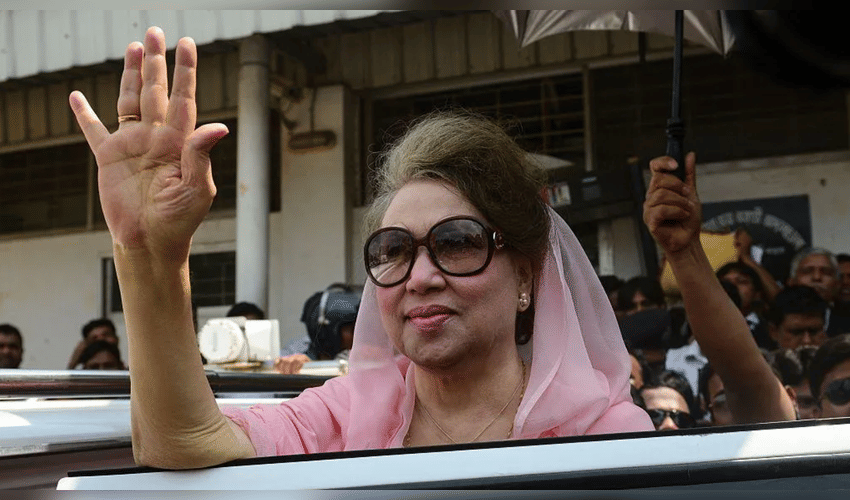

Bangladesh's pioneering leader Khaleda Zia, the nation's first female prime minister whose life story intertwined personal origins in India with decades of political highs and lows, died early Tuesday at Evercare Hospital in Dhaka after a prolonged illness. She was 80. The Bangladesh Nationalist Party (BNP) confirmed her passing around 6 a.m. local time, shortly after Fajr prayer, following her admission on November 23 for severe lung and heart infections amid ongoing battles with diabetes, arthritis, liver cirrhosis, and kidney failure.
Zia was born in 1945 in Jalpaiguri, then part of undivided Bengal and now in India's West Bengal state, where her family ran a tea trading business before relocating to Dinajpur after the 1947 Partition. This cross-border heritage often symbolized the shared Bengali identity between India and Bangladesh, even as her political career navigated tensions and diplomacy with New Delhi. Widowed in 1981 after her husband, President Ziaur Rahman, was assassinated, she transformed personal tragedy into public resolve, taking the helm of the BNP and leading it to victory in the 1991 elections under a caretaker government.
Her premiership from 1991 and again 2001-2006 marked Bangladesh's shift toward robust parliamentary democracy, with achievements like universal free primary education, girls' stipends up to grade 10, and a boom in the ready-made garments sector that created nearly 200,000 jobs for women in just five years. GDP growth topped 6% annually, foreign reserves tripled, and her administration emphasized economic self-reliance while fostering key infrastructure.
India loomed large in Zia's narrative, blending friction with pragmatic outreach. She resisted transit rights for Indian goods to its northeast, dubbing toll-free access "slavery-like," declined to renew the 1972 friendship treaty, and once called northeast insurgents "freedom fighters" in nod to Bangladesh's 1971 liberation ethos—moves that fueled accusations of harboring militants. Yet milestones defined cooperation too: the 1992 Tin Bigha Corridor granted Bangladesh access to enclaves, her 2006 state visit sealed trade pacts and anti-drug agreements with PM Manmohan Singh, and a 2012 trip as opposition leader included pledges against extremism plus a pilgrimage to Ajmer Sharif.
Zia's later years were shadowed by health woes, corruption convictions she deemed politically motivated—cleared by Bangladesh's Supreme Court in January 2025—and imprisonment until her 2024 release after Sheikh Hasina's ouster amid student-led unrest. Allowed abroad for UK treatment earlier that year, she returned in May, embodying resilience that inspired women across South Asia. As tributes flood in from leaders including India's PM Narendra Modi, her legacy endures in Bangladesh's democratic fabric and the subtle threads binding neighbors.