



World
Israel Expands Military Operation Beyond Litani River, US Warns Iran Over Escalating Regional Tensions
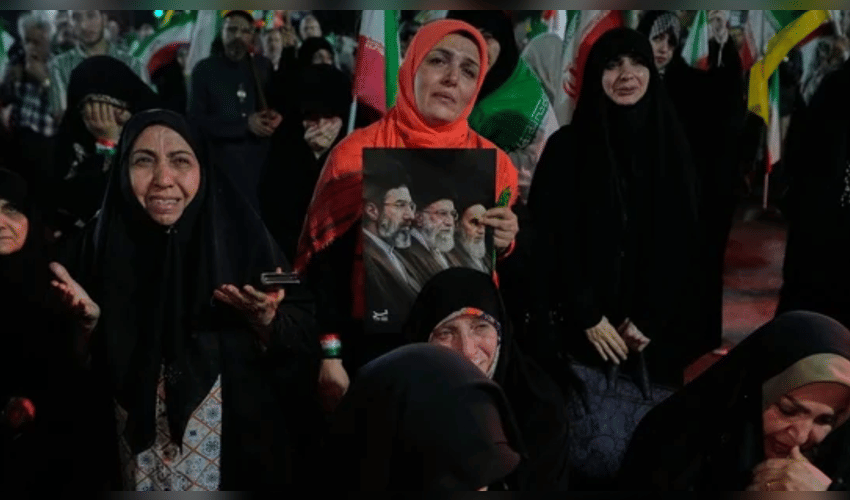

The Middle East conflict entered a new phase on Thursday after Israeli forces pushed beyond Lebanon’s strategic Litani River, while the United States warned Iran that military action could resume if diplomatic efforts fail. Israeli Prime Minister Benjamin Netanyahu confirmed that troops had crossed north of the Litani River as part of an expanded offensive targeting Hezbollah positions in southern Lebanon. The move marks one of the most significant escalations since fighting intensified earlier this year.
According to Israeli officials, the operation aims to dismantle Hezbollah infrastructure and prevent future attacks on northern Israel. Israeli forces have reportedly increased ground operations across southern Lebanon while continuing airstrikes in the Bekaa Valley and areas near Beirut. The Litani River has long been viewed as a critical security boundary in the Israel-Hezbollah conflict. Military activity beyond the river signals a broader Israeli push deeper into Lebanese territory.
The latest developments come despite ongoing ceasefire discussions brokered by the United States. While negotiations have continued in Washington involving Israeli and Lebanese representatives, clashes on the ground have raised doubts about the durability of any potential truce. Lebanese security sources reported fresh fighting in several areas north of the Litani River, with residents in some regions receiving evacuation warnings as military operations intensified.
At the same time, Washington issued a strong warning to Tehran, saying military options remain on the table if diplomatic talks fail to address concerns surrounding Iran’s regional activities and nuclear program. US officials indicated that while negotiations remain the preferred path, preparations are in place should talks break down. The warning reflects growing concern within the Biden administration over rising instability across the region and the possibility of a wider conflict involving Iran-backed groups.
Iran has repeatedly criticized US and Israeli actions in Lebanon, arguing that continued military operations risk undermining regional peace efforts. Tehran maintains that any long-term solution must address broader security concerns across the Middle East. Analysts say the situations in Lebanon and Iran are closely linked, with Hezbollah considered one of Tehran’s most influential regional allies. As a result, developments on the Israel-Lebanon front could directly affect ongoing diplomatic discussions between Washington and Tehran.
The renewed escalation has also triggered concerns among international observers about the potential humanitarian impact. Thousands of Lebanese civilians have already been displaced by months of fighting, while aid agencies warn that deeper military operations could worsen conditions in affected areas.
Global markets are also closely monitoring events, particularly due to concerns that a wider regional conflict could disrupt energy supplies and key shipping routes. Diplomatic channels remain open, but continued military activity on multiple fronts has increased uncertainty over whether the region is moving toward de-escalation or a broader confrontation. International leaders have urged restraint as tensions continue to rise across the Middle East.



