



Economy
'Islamabad Accord' Mirage? Pakistan's US-Iran Mediation Bid Faces Reality Check Amid Economic Strain
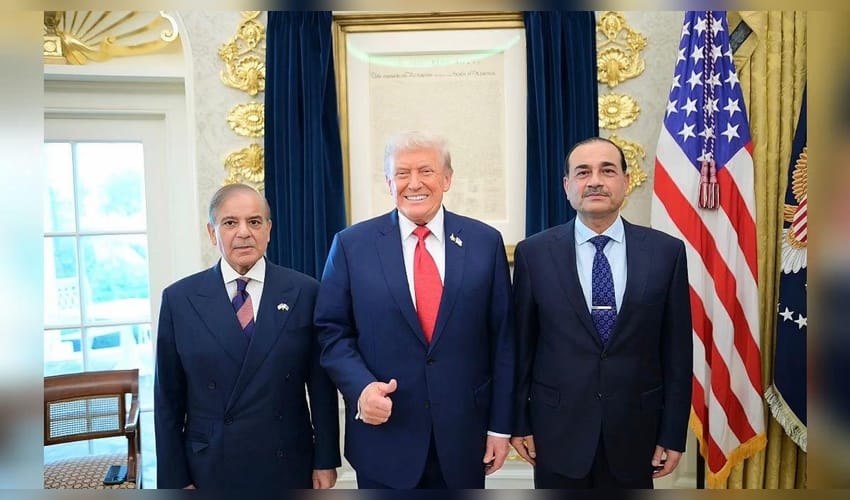

Pakistan’s ambitious attempt to position itself as a key mediator between the United States and Iran is facing growing skepticism, with analysts questioning whether the proposed “Islamabad Accord” is more aspiration than achievable diplomacy. The proposed Islamabad Accord is a Pakistan-backed framework aimed at securing a ceasefire in the ongoing conflict between United States and Iran. The plan reportedly includes an immediate halt to hostilities followed by broader negotiations, potentially hosted in Islamabad.
However, despite intense diplomatic outreach, the initiative has struggled to gain traction. Iran has shown reluctance to engage under the current framework and has rejected key US demands, effectively stalling talks and dealing a setback to Pakistan’s mediation efforts. Pakistan had projected itself as a neutral bridge between the two adversaries, leveraging its ties with both Washington and Tehran. Its leadership, including military and political figures, engaged in backchannel diplomacy and offered to host peace talks.
Yet, the reality on the ground has proven far more complex. Reports indicate that even as Pakistan pushed for a ceasefire plan, Tehran remained unconvinced, and negotiations failed to move forward. The situation is further complicated by Pakistan’s own economic challenges. The country is grappling with mounting external debt, dwindling foreign exchange reserves, and rising financial obligations, which limit its ability to sustain a prolonged diplomatic push on the global stage.
Experts suggest that while Pakistan’s efforts reflect a desire to reassert its geopolitical relevance, overestimating its influence could backfire. Attempting to mediate a high-stakes conflict involving major global powers requires not just diplomatic access but also economic and strategic leverage—areas where Pakistan currently faces constraints. At the same time, the ongoing conflict has direct implications for Pakistan, including energy security concerns due to disruptions in the Strait of Hormuz and the risk of regional instability spilling over its borders.
In this context, Pakistan’s mediation push appears to be driven as much by necessity as by ambition. Whether the “Islamabad Accord” evolves into a meaningful diplomatic breakthrough or remains a symbolic gesture will depend largely on the willingness of the US and Iran to compromise—something that, for now, remains uncertain.



