



World
Iran Warns Regional Oil Exports Could Be at Risk if Its Own Sales Are Blocked
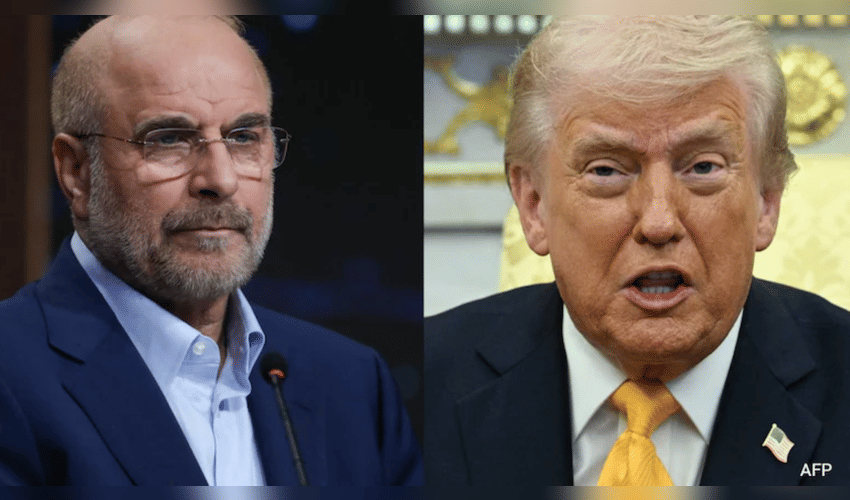

Tehran: Iran has issued a fresh warning that any attempt to prevent it from exporting crude oil could have far-reaching consequences for energy shipments across the Middle East, escalating tensions with the United States and raising concerns over the security of one of the world's busiest oil routes. Speaking amid the ongoing standoff with Washington, Iranian Parliament Speaker Mohammad Bagher Ghalibaf said that if Tehran is denied the ability to sell its oil, other countries in the region should not expect to continue exporting theirs without disruption. The remarks came after US President Donald Trump warned of military retaliation if Iran targets commercial shipping in the Strait of Hormuz.
Ghalibaf also argued that lasting security in the Strait of Hormuz would only be possible if the United States ends its military presence in the strategically important waterway. His statement reflects Tehran's continued opposition to the US naval presence in the Gulf and signals that the dispute over energy exports remains closely tied to broader regional security issues.
The Strait of Hormuz is considered one of the world's most critical maritime chokepoints, with roughly one-fifth of global seaborne crude oil and petroleum products passing through the narrow passage. Any threat to shipping in the area has the potential to disrupt global energy supplies and trigger sharp movements in international oil prices.
The latest warning follows a series of increasingly confrontational exchanges between Washington and Tehran. President Trump recently stated that the US would strike Iranian infrastructure if American or commercial vessels came under attack in the Strait of Hormuz, underscoring the growing risk of further military escalation.
Financial markets are closely monitoring developments, as geopolitical tensions in the Gulf often translate into higher crude prices and increased shipping costs. Analysts note that even without an actual disruption to oil flows, strong rhetoric from either side can influence market sentiment by increasing concerns over future supply risks.
So far, there has been no indication that regional oil exports have been halted following Iran's latest remarks. However, the exchange of warnings between Tehran and Washington has added another layer of uncertainty to an already volatile Middle East, with governments, energy companies and investors watching closely for any signs that the standoff could move beyond rhetoric.



