



Asia In News
Iran Retaliates After US Strikes as Missile Alerts Sound Across Bahrain and Kuwait.
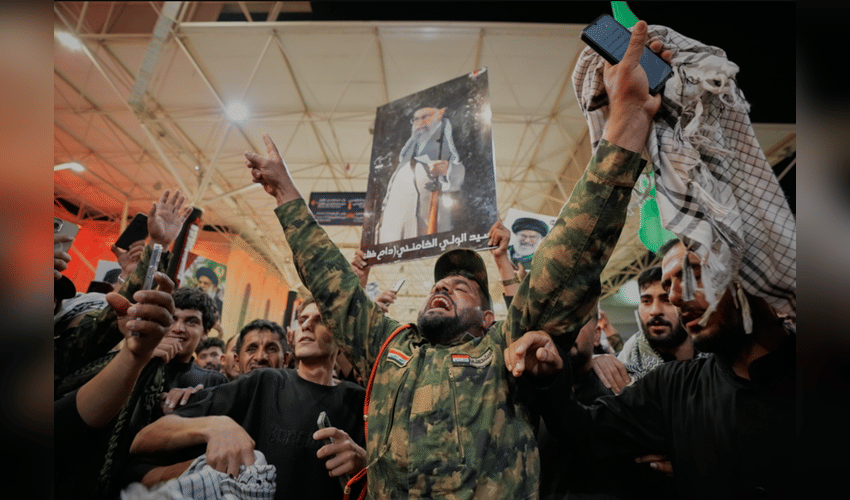

The Middle East witnessed another sharp escalation in tensions after Iran launched retaliatory missile and drone attacks targeting locations linked to the United States in Bahrain and Kuwait. Air raid sirens echoed across both Gulf nations as local authorities activated air defense systems in response to the incoming threats, raising fresh concerns about the stability of the region and the future of diplomatic efforts.
The latest exchange of military action follows a series of U.S. strikes on Iranian military assets. According to multiple international reports, the American operation targeted air defense systems, radar installations, missile launch capabilities, and other strategic infrastructure. Washington said the strikes were carried out in response to recent attacks on commercial shipping in and around the Strait of Hormuz, one of the world's most critical maritime trade routes.
Soon after the U.S. operation, Iran announced that it had launched missiles and drones toward American military facilities in Bahrain and Kuwait. Iranian officials described the attacks as a direct response to what they called U.S. aggression, while authorities in both Gulf countries confirmed that air defense systems had been activated as missile alerts were issued.
Although officials have not immediately released complete details regarding casualties or damage, the latest developments have intensified fears of a wider regional conflict. Security analysts warn that any prolonged military confrontation involving Gulf states could significantly disrupt shipping through the Strait of Hormuz, a passage that carries a substantial share of the world's oil exports.
Global financial markets have already begun reacting to the renewed hostilities. Energy traders are closely monitoring the situation, with oil prices moving higher as investors assess the possibility of supply disruptions. Any interruption to maritime traffic through the Gulf could have ripple effects on fuel prices, international trade, and global inflation.
The renewed conflict also threatens ongoing diplomatic efforts aimed at reducing tensions between Washington and Tehran. Recent negotiations had offered cautious optimism for a temporary reduction in hostilities, but the latest military exchanges have placed those efforts under severe strain. Both sides continue to accuse each other of violating previous understandings, making a return to negotiations increasingly uncertain.
Regional governments are urging restraint while strengthening security measures around military installations, airports, ports, and critical infrastructure. International observers remain concerned that additional retaliatory actions could draw more countries into the conflict, further destabilizing an already fragile region.
As the situation continues to evolve, governments, businesses, and global markets will be watching closely for signs of either further escalation or renewed diplomatic engagement. The coming days are expected to be crucial in determining whether the crisis moves toward de-escalation or expands into a broader regional confrontation.