



World
Iran Pulls Out of US Understanding, Says Control of Strait of Hormuz Is 'Non-Negotiable'
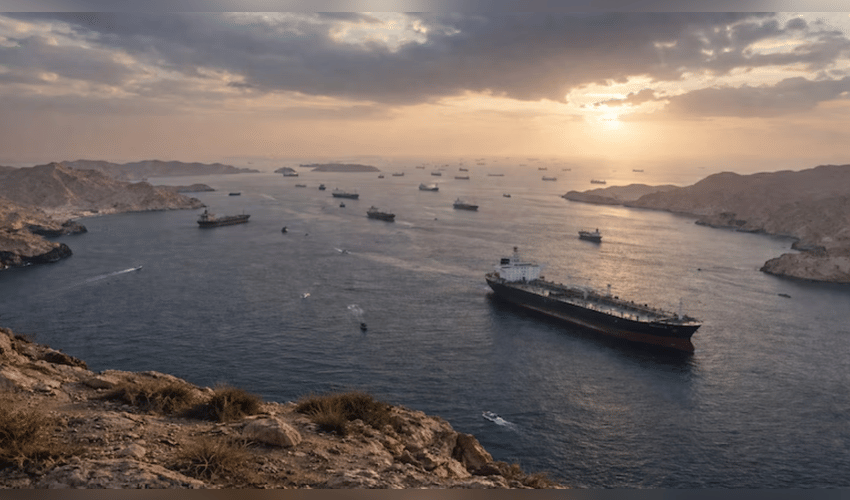

Iran has withdrawn from its latest understanding with the United States, declaring that control over the strategic Strait of Hormuz remains a "must" after Washington imposed a fresh naval blockade, further escalating tensions in the Gulf. Iranian officials said the renewed US blockade undermined the basis of the agreement reached between the two sides, leaving Tehran with no option but to step away from the deal. The development comes as military and diplomatic friction between the two countries continues to intensify.
In a strong statement, Iranian authorities asserted that the Strait of Hormuz is an integral part of the country's national security and regional interests, stressing that any future agreement must acknowledge Tehran's role in the strategically important waterway. The United States, however, has defended its actions, saying the blockade is intended to safeguard international shipping and maintain freedom of navigation through one of the world's busiest maritime routes. Washington has also warned that it is prepared to take additional measures if attacks on commercial vessels continue.
The Strait of Hormuz is regarded as one of the world's most critical energy chokepoints, with nearly 20% of global oil and a significant share of liquefied natural gas shipments passing through the narrow passage connecting the Persian Gulf to the Gulf of Oman. Any disruption in the area has the potential to trigger sharp increases in crude oil prices and disrupt global supply chains.
The latest breakdown in talks adds another layer of uncertainty to an already volatile Middle East. In recent weeks, both countries have exchanged military strikes, while commercial shipping in the Gulf has faced growing security risks. Analysts warn that prolonged tensions could affect energy-importing nations across Asia and Europe, including India, which relies heavily on crude oil transported through the Strait of Hormuz.
Diplomatic channels remain open, but the prospects for reviving negotiations appear increasingly uncertain. Iran has reiterated that it will not accept any arrangement that compromises what it considers its sovereign rights in the Strait of Hormuz, while the US continues to insist on unrestricted passage for international vessels. As the standoff deepens, governments, energy markets and shipping companies around the world are closely monitoring developments, with concerns mounting that any further escalation could have far-reaching economic and geopolitical consequences.