



World
Iran is open to negotiations but insists on speaking only with a specific individual-excluding Donald Trump.
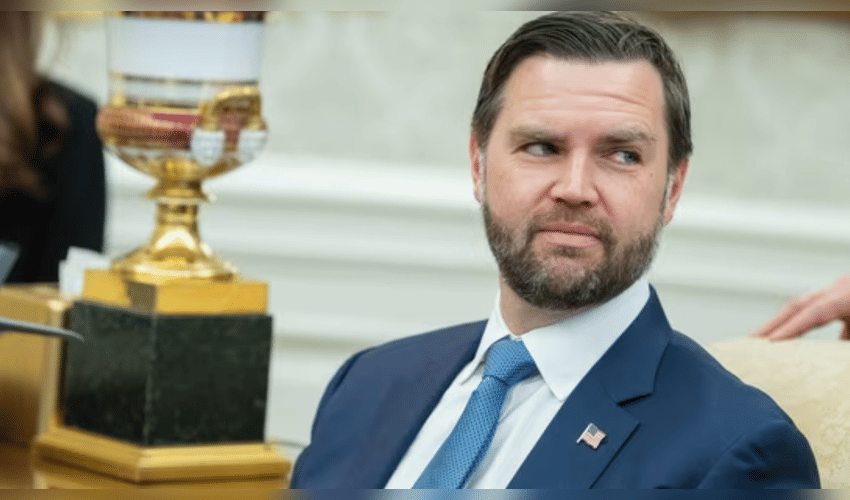

Amid soaring tensions following U.S.-Israeli strikes and the assassination of Supreme Leader Ayatollah Ali Khamenei, Iran has thrown down a gauntlet for diplomacy. The nation signals willingness to negotiate, but draws a hard line: no direct chats with U.S. President Donald Trump. Instead, eyes are on Ali Larijani, Secretary of Iran's Supreme National Security Council, as the sole conduit for any real dialogue.
The shift comes after deadly attacks that decimated Iranian leadership, paving the way for an interim council featuring President Masoud Pezeshkian, Judiciary Chief Gholam-Hossein Mohseni-Ejei, and cleric Ayatollah Alireza Arafi. Trump has touted Iran's readiness to deal, even floating regime change rhetoric, but Larijani fired back, slamming U.S. "bullying" and ruling out talks under threat. It's a bold play—projecting defiance while leaving the door ajar through a trusted figure.
A veteran power broker, Larijani brings nuclear negotiation chops from his parliamentary speaker days to the security helm. Unlike the council's broader lineup, his grip on defense strategy makes him ideal for high-stakes backchannels, reminiscent of Iran's indirect nuclear talks in past years. Tehran sees him as a bulwark against perceived aggression, potentially easing paths via neutral mediators like Oman.
This stance tests Trump's maximum pressure tactics, risking wider fallout from power grid hits and military losses. Oil markets jitter, Gulf allies watch warily, and history nods to 2015's JCPOA as a possible blueprint—if indirect lines open. Larijani's moves could pivot the Middle East from brinkmanship to bargain; stay tuned as statements drop.



