


World
Iran imposes new "sovereign" transit rules in the Strait of Hormuz, requiring vessels to obtain prior permits.
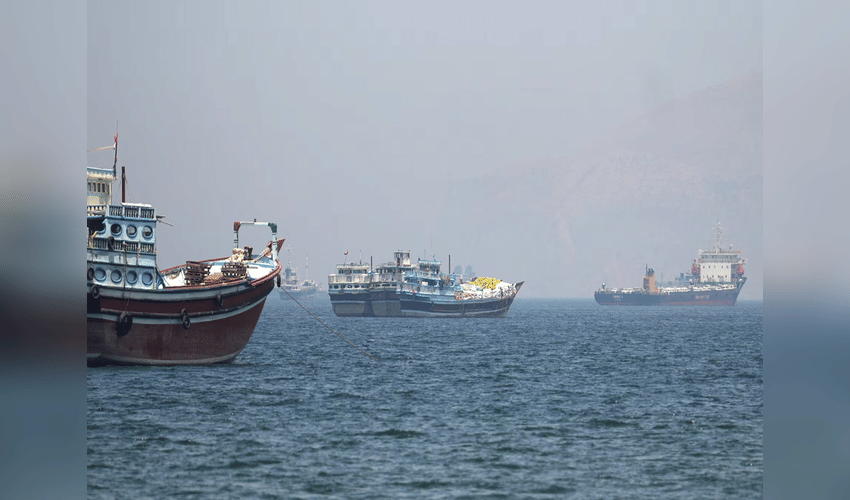

Iran has introduced a new system to tighten its oversight of maritime traffic through the strategically critical Strait of Hormuz. Under this framework, all vessels must obtain prior approval before entering the passage, marking a significant shift in how the waterway is regulated. According to Iran’s state-run media, shipping operators will receive electronic communications from an entity linked to the Persian Gulf Strait Authority. These messages will outline updated navigation rules and compliance requirements that international ships must follow while transiting the strait.
The new policy makes it mandatory for vessels to secure a transit permit in advance. Iranian officials have described the move as part of a broader effort to establish what they call a “sovereign governance system” over one of the world’s busiest energy corridors. The development comes after remarks by Parliament Speaker Mohammad Bagher Ghalibaf, who indicated that a “new equation” is emerging in the management of the waterway. He accused the United States and its allies of undermining maritime security and energy flows through alleged ceasefire violations and blockade measures. He also suggested that the current regional balance is unacceptable to Washington, while hinting that Iran has yet to fully respond.
At the same time, the naval arm of the Islamic Revolutionary Guard Corps has stepped up its presence in the area. It has issued fresh warnings urging ships to remain within designated maritime routes, stressing that any deviation could prompt military action. Officials emphasized that only the approved corridor ensures safe passage, cautioning that straying from it would be considered a risk and could trigger a strong response.
These changes come amid rising tensions in the region. Recent statements from US Defense Secretary Pete Hegseth highlighted that American naval escorts for commercial shipping are being conducted independently of other ongoing military operations. Since late February, Iran has been increasing its control over navigation in the strait. Given the Strait of Hormuz’s vital role in global oil and liquefied natural gas transport, any disruption or regulatory tightening continues to raise concerns across international trade and energy markets, which remain highly sensitive to developments in this key maritime route.