


World
Iran Formalises Strait of Hormuz Permit System, Global Shipping Industry on Alert
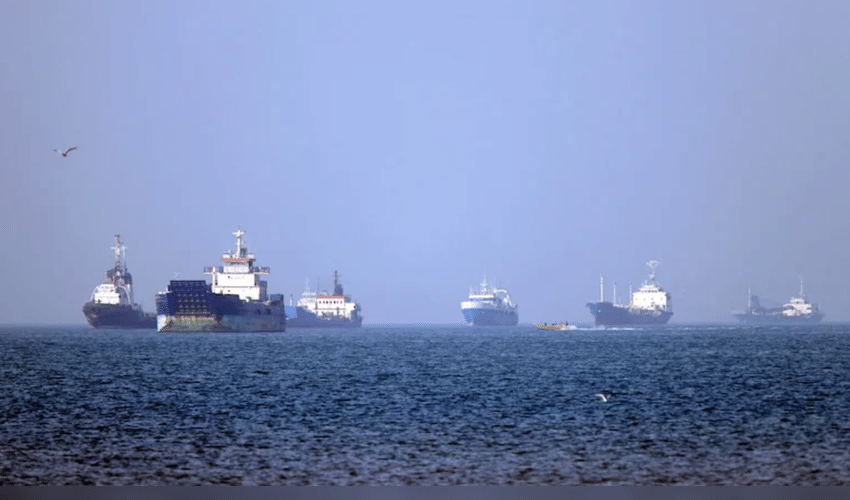

Iran has officially introduced a new regulatory framework for ships passing through the Strait of Hormuz, a move that is drawing attention from global shipping companies, oil markets, and governments around the world. The development comes at a time of heightened tensions in the Middle East, with Tehran seeking tighter oversight of one of the world’s most strategically important maritime routes.
According to regional reports, the newly formalised system requires vessels to obtain transit approvals before entering the Strait of Hormuz. Iranian authorities are expected to review cargo details, ownership information, crew records, and final destinations as part of the approval process. The country has described the measure as an effort to strengthen maritime security and improve monitoring in the Gulf region.
The Strait of Hormuz is considered the lifeline of global energy trade. Nearly one-fifth of the world's oil supply passes through this narrow waterway every day, connecting major Gulf oil producers to international markets. Any change in regulations or disruptions in the area can immediately affect crude oil prices and international shipping costs.
Reports indicate that countries maintaining stable diplomatic and economic ties with Tehran may receive smoother access under the new permit process. Asian economies such as India and China, which heavily depend on Gulf energy imports, are expected to closely monitor the situation. Shipping firms connected to countries seen as neutral or cooperative with Iran could face fewer operational hurdles.
At the same time, vessels associated with nations involved in political or military tensions with Tehran may undergo stricter scrutiny. Although Iranian officials have not publicly named specific countries, analysts believe Western-aligned shipping operators could face delays, additional inspections, or transit-related charges.
The announcement has already sparked concern across the global shipping industry. Maritime insurance premiums for Gulf routes have started rising amid fears of uncertainty in the region. Analysts warn that if the permit process becomes politically sensitive or more restrictive, transportation costs for oil and gas could increase significantly, eventually affecting fuel prices worldwide.
International maritime experts have also questioned the legal implications of Iran’s move. Under global maritime conventions, the Strait of Hormuz is widely regarded as an international transit route open to commercial navigation. Any attempt to impose selective controls over passage rights could trigger diplomatic tensions and greater naval activity in the Gulf.
Despite concerns, commercial traffic through the strait continues, though under increased monitoring and caution. Energy markets are now watching closely to see whether Iran’s new framework remains a temporary security measure or develops into a longer-term geopolitical strategy. The Strait of Hormuz connects the Persian Gulf to the Gulf of Oman and remains essential for oil exports from Saudi Arabia, Iraq, Kuwait, Qatar, and the UAE. With regional tensions showing no signs of easing, Iran’s latest move is expected to keep the global energy and shipping sectors on alert in the coming weeks.
Disclaimer: This image is taken from NDTV.