



Asia In News
Iran Crisis Deepens: Larijani Assassination Leaves US Without Key Tehran Contact Amid Escalating War
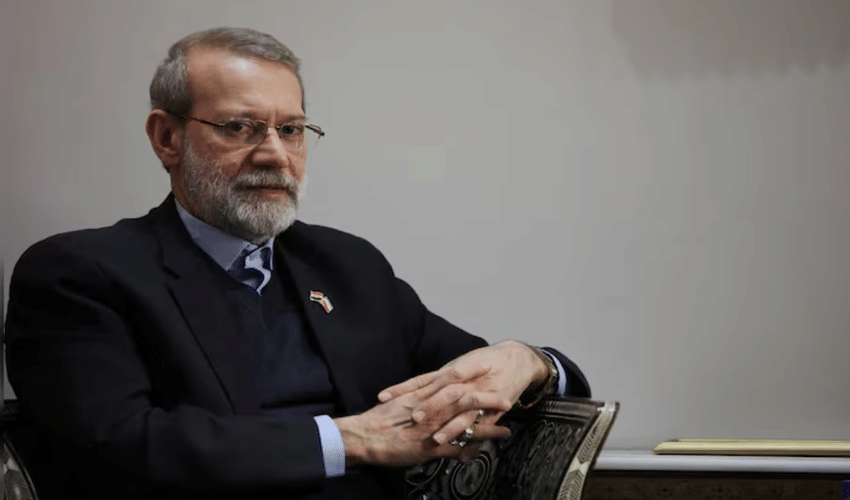

The targeted killing of Ali Larijani, Iran's top security chief and a rare pragmatic voice in Tehran's leadership, has severely limited Washington's diplomatic options as the US-Iran conflict intensifies, analysts warn. Israel claimed responsibility for the strike that eliminated Larijani—along with his son—describing him as a linchpin in Iran's regime and a figure historically open to Western negotiations. Once a close ally of Supreme Leader Ali Khamenei and former parliament speaker, Larijani had recently engaged in backchannel talks, including trips to Moscow and Gulf states, to address US pressures over Iran's nuclear ambitions and regional proxies.
With Larijani gone, power appears to be shifting toward ideological stalwarts like Parliament Speaker Mohammad Baqer Qalibaf, an ex-IRGC commander whose rise could lock Tehran into an even tougher stance. The Supreme National Security Council's top post now risks going to another military hawk, narrowing the already slim chances for de-escalation as Persian Gulf oil shipments falter and global markets jitter. President Donald Trump, pushing for a swift end to the standoff, has ramped up rhetoric without pausing US support for Israel's actions. Experts like those at the Washington Institute argue the hit aligns with a "maximum pressure" doctrine, but it may backfire by sidelining moderates.
Foreign Minister Abbas Araghchi emerges as the most viable remaining channel, drawing on his JCPOA negotiation experience to potentially handle nuclear or ceasefire discussions. Faded reformists such as ex-President Hassan Rouhani or Javad Zarif might get a quiet revival through mediators like Oman or Qatar, though hardliner dominance makes that unlikely. Iran has vowed retaliation, with state media framing the assassination as a direct challenge to Khamenei's inner circle—echoing the 2020 Soleimani fallout that spiked tensions for months.
As oil prices climb and allies like Saudi Arabia urge restraint on Strait of Hormuz patrols, the Larijani vacuum tests Trump's strategy for an "exit ramp" from the war. Crisis Group analyst Ali Vaez described Tehran's post-hit posture as "more rigid and dangerous," raising fears of prolonged deadlock. Watch Araghchi's next statements and Qalibaf's maneuvering—they could dictate if any dialogue lifeline survives in this high-stakes showdown.



