



News
Illegal Mosque Controversy in Japan Becomes Another Image Problem for Pakistan
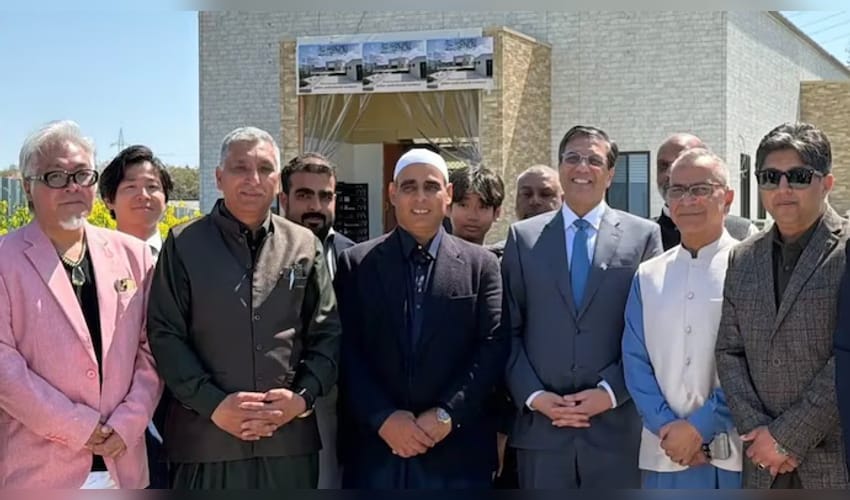

A controversy surrounding the alleged illegal construction and operation of a mosque by members of the Pakistani community in Japan has reignited debate about the responsibilities of immigrant communities to respect local laws and regulations.
Japan is widely regarded as one of the world's most orderly societies, where strict adherence to building codes, zoning regulations, and community standards forms the foundation of public trust. When reports emerge of unauthorized construction projects, the issue quickly moves beyond religion and becomes a question of legal compliance and community responsibility.
The dispute has generated frustration among local residents, many of whom argue that concerns raised about permits, safety standards, and zoning rules were ignored. Critics say that regardless of religious affiliation, any structure built outside established legal procedures undermines the principles that allow diverse communities to coexist peacefully.
For Pakistan, the controversy comes at an unfortunate time. The country has spent years attempting to improve its international image and strengthen relations with foreign partners. Incidents involving legal disputes abroad often receive disproportionate attention, creating perceptions that can affect entire communities despite the actions of only a few individuals.
Many Pakistanis living overseas have built strong reputations through hard work, entrepreneurship, and respect for local customs. However, incidents such as the Japan mosque controversy risk overshadowing these positive contributions. Community leaders bear a responsibility to ensure that religious and cultural projects comply fully with local laws, particularly in countries where public trust is built upon strict observance of regulations.
The lesson from the controversy is straightforward: successful integration requires more than economic participation. It demands respect for the legal frameworks and social expectations of host nations. Failure to do so can create tensions, damage community relations, and generate headlines that neither Pakistan nor law-abiding members of its diaspora would welcome.
Ultimately, the issue is not about religion but about accountability. Communities that seek respect abroad must demonstrate the same respect for the laws and institutions of the countries that host them. Ignoring that principle can quickly turn a local dispute into an international embarrassment.
Disclaimer : This image is taken from India Today.