



World
Hype Over Hardware: Why Pakistan's JF-17 Claims Fall Short of Reality
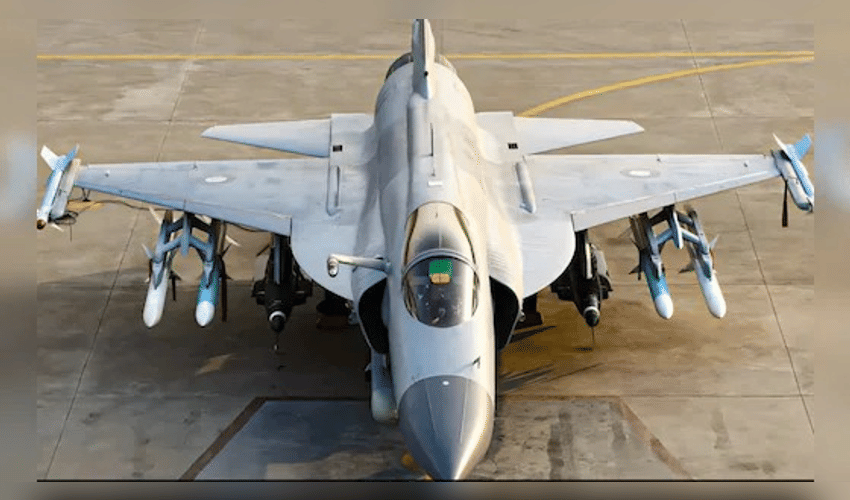

Pakistan has been projecting the JF-17 Thunder fighter jet as a major defence export success, but a closer look suggests that the narrative is driven more by ambition and optics than by tangible achievements. While Islamabad presents the aircraft as proof of a growing indigenous defence capability, analysts argue that the claims far exceed what has actually been delivered on the ground.
Pakistani officials have repeatedly highlighted alleged interest from multiple countries, presenting expressions of intent as near-final deals. However, defence experts note that combat aircraft sales involve years of negotiations, financing guarantees, training commitments, and long-term maintenance support—areas where Pakistan’s defence industry faces serious limitations.
The JF-17, co-developed with China, is often portrayed as a 4.5-generation fighter capable of competing with advanced platforms. Yet independent assessments indicate that the aircraft’s performance claims remain largely unverified. Much of the recent hype has been fuelled by conflict narratives rather than transparent technical or operational data.
Structural constraints further undermine Pakistan’s export ambitions. Chronic foreign exchange shortages, limited industrial depth, and heavy reliance on Chinese components raise questions about Pakistan’s ability to sustain production, deliver spares on time, or support overseas fleets over decades. Any export deal also depends on Chinese approvals, restricting Islamabad’s control over pricing and delivery schedules.
Pakistan appears to be targeting economically weaker or conflict-affected states with promises of affordability and fewer political conditions. Even so, this niche strategy has yet to yield substantial results beyond announcements and promotional campaigns. For regional observers, including India, the JF-17 programme is less a game-changer and more a case study in strategic messaging.



