



World
H-1B Visa Crisis: Indian Workers Stranded at Home After U.S. Renewal Cancellations
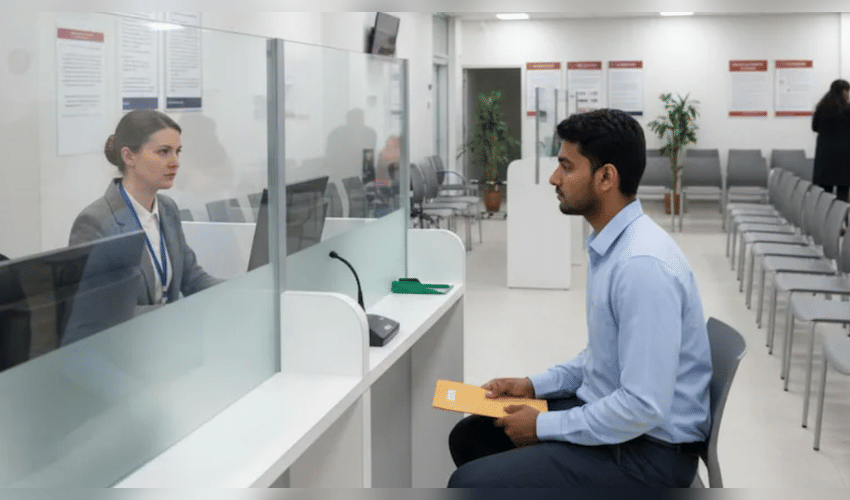

Hundreds of Indian H-1B visa holders who returned home to renew their U.S. work permits are now stuck, facing abrupt cancellations of consular appointments and uncertainty about returning to their jobs. U.S. consulates in cities like Mumbai, Chennai, and Hyderabad have rescheduled interviews from mid-December into 2026 or beyond, leaving professionals in limbo during the holiday season.
The disruptions stem from enhanced security screenings introduced under the Trump administration, including mandatory reviews of applicants' social media activity. Starting December 15, consulates slashed daily visa slots to accommodate these checks, notifying holders via email that original dates are invalid. Without a renewed visa stamp, these workers cannot board flights back to the U.S., risking job loss and family separations.
"I'm literally stuck in India," posted one tech worker from Detroit on social media, who timed his trip around a family wedding only to have slots on December 17 and 23 vanish. Immigration lawyers describe a flood of desperate calls, with one veteran attorney labeling it the "worst chaos" in decades. Families on H-4 visas face parallel issues, upending school schedules and finances for those without U.S. income.
As the top source of H-1B talent—accounting for 71% of approvals—India bears the brunt of recent reforms like a $100,000 fee for new petitions and the end of third-country renewals. Major U.S. tech giants are now urging employees to delay travel, warning of waits up to a year that could derail projects. This comes amid broader scrutiny, with some appointments pushed to September 2026.
Employers grapple with absences, potentially halting deadlines and prompting remote workarounds or hires. For India's $250 billion IT industry, the standoff threatens U.S. contracts and could redirect skilled workers to markets like Canada. Experts predict ongoing turbulence unless processing ramps up.



