



News
Experts Say India Needs a National Strategy to Expand Access to Advanced Cancer Treatments
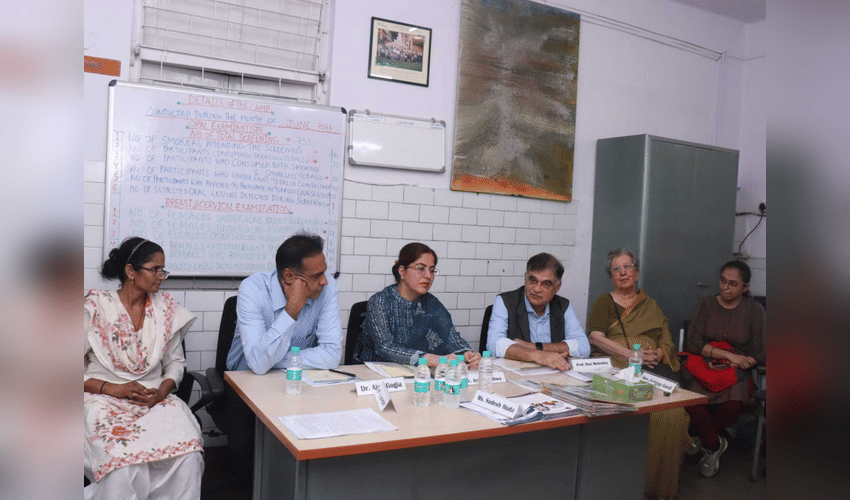

Medical experts, cancer survivors and public health specialists have called for a coordinated national approach to ensure that the latest breakthroughs in cancer treatment are available to patients across India, regardless of their financial background or location. The appeal was made during a media roundtable titled "Bridging Innovation and Affordability in Cancer Care," hosted by the Indian Cancer Society (ICS) as part of Cancer Survivor Month. Participants discussed the growing gap between rapid advances in cancer treatment and the ability of patients to access these life-saving therapies.
According to the experts, cancer care has progressed significantly in recent years, with new therapies offering better survival rates and improved quality of life. However, these medical innovations remain beyond the reach of many patients because of high treatment costs, inadequate insurance coverage, uneven healthcare infrastructure and limited access to advanced diagnostic services. Jyotsna Govil, Chairperson of the Indian Cancer Society, said the focus should now shift from developing innovative treatments to ensuring they reach every patient who stands to benefit. She emphasized the need for informed discussions that place patients at the centre of healthcare decisions while improving access to quality cancer care.
The panel agreed that India does not have to choose between encouraging innovation and keeping treatment affordable. Instead, they recommended prioritising therapies that provide the greatest public health benefits based on strong scientific evidence, improved patient outcomes, cost-effectiveness and relevance to the country's disease burden.
Dr. Ravi Mehrotra, a member of the Indian Cancer Society's Management Committee and former Director of the National Institute of Cancer Prevention and Research (NICPR), stressed the importance of making treatment decisions based on clinical evidence and real-world data. He said a science-driven approach would help ensure that investments in new therapies translate into meaningful health improvements for the maximum number of patients.
The experts also advocated for strengthening India's Health Technology Assessment framework to evaluate the effectiveness and value of emerging cancer treatments. Such evaluations, they said, could support the gradual inclusion of proven therapies under government-funded healthcare schemes such as Ayushman Bharat, reducing the financial burden on patients.
Highlighting the role of personalised medicine, Dr. Ajay Gogia, Professor of Medical Oncology at AIIMS' Dr. B.R.A. Institute Rotary Cancer Hospital, said precision medicine allows doctors to select the most appropriate treatment for individual patients based on scientific evidence. This not only improves clinical outcomes but also helps optimise healthcare spending. He noted that medical innovation delivers real value only when patients can actually access it.
Dr. Jyoti Wadhwa, Principal Lead of Medical and Precision Oncology at Apollo Athenaa Women's Cancer Centre and Apollo Hospital, Delhi, said India is well-positioned to become a global leader in cancer research because of its experienced clinicians and diverse patient population. She called for greater collaboration in clinical research to generate evidence tailored to India's healthcare needs while expanding access to innovative therapies, including biosimilars.
Dr. Pragya Shukla, Head of Clinical Oncology at Delhi State Cancer Institute, underlined the need for stronger public funding, transparent reimbursement mechanisms and improved healthcare infrastructure. She said the fight against cancer cannot be considered successful until quality treatment becomes accessible even to the country's poorest patients.
Cancer survivors participating in the discussion shared personal stories of diagnosis, treatment and recovery, highlighting how timely medical intervention, financial assistance and proper guidance can significantly improve survival and quality of life. Beyond treatment, the experts stressed that reducing India's cancer burden also requires stronger preventive measures. They recommended intensified tobacco control initiatives, wider HPV and Hepatitis B vaccination coverage, regular screening programmes and greater emphasis on early detection.
The roundtable concluded with a shared view that meaningful progress will require close collaboration between the government, healthcare providers, researchers, industry, civil society organisations and patient groups. Together, they can help ensure that advances in cancer care become accessible to all patients rather than remaining available only to a privileged few.



