



News
China Declines to Ease Pakistan's PKR 170 Billion Debt Burden as Islamabad Seeks 10 Billion Dollors Saudi Lifeline
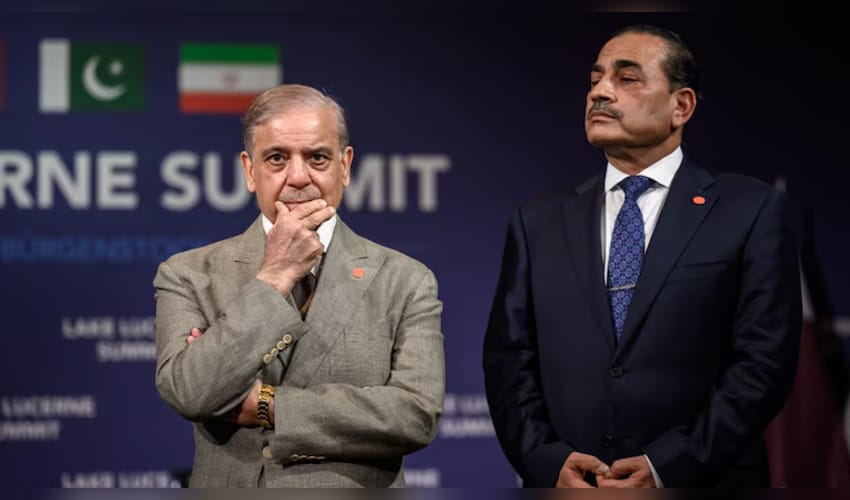

Pakistan’s deepening financial crisis has once again been exposed as reports indicate that China has declined to waive a financial burden worth nearly PKR 170 billion, forcing Islamabad to intensify efforts to secure fresh financial support from Saudi Arabia.
The development highlights Pakistan’s continued dependence on external lenders to keep its fragile economy afloat. Despite describing China as its closest strategic partner, Islamabad has reportedly failed to secure relief on the massive financial obligation, leaving the government scrambling for alternative sources of funding.
According to reports, Pakistan is now seeking a financial lifeline of around $10 billion from Saudi Arabia to stabilize its foreign exchange reserves, meet external debt obligations, and support economic reforms. The move underscores the severe fiscal pressures facing the country, which continues to grapple with high inflation, sluggish growth, and mounting public debt.
China has been Pakistan’s largest bilateral creditor and a key investor through the China-Pakistan Economic Corridor (CPEC). However, Beijing has largely preferred extending loans, refinancing existing debt, or rolling over credit facilities rather than offering outright debt forgiveness. The latest refusal to waive the PKR 170 billion burden reflects China's cautious approach toward Pakistan’s financial commitments.
Economic analysts say the episode demonstrates the limitations of Pakistan’s reliance on foreign partners. While successive governments have promoted close ties with China as a cornerstone of economic development, financial assistance has often come with repayment obligations that continue to strain Pakistan’s already fragile fiscal position.
At the same time, Islamabad has increasingly turned to Gulf allies, particularly Saudi Arabia, for emergency financial assistance. Over the years, Riyadh has provided deposits, oil credit facilities, and investment commitments that have helped Pakistan avoid balance-of-payments crises. The latest effort to secure a $10 billion package reflects the government’s urgent need for external financing as debt repayments continue to mount.
Pakistan’s economy remains under pressure from persistent inflation, a weakening industrial sector, declining foreign investment, and a narrow tax base. Although the government has introduced reforms under international lending programs, critics argue that structural weaknesses including poor revenue collection, rising debt servicing costs, and dependence on imports remain largely unaddressed.
Analysts warn that repeated reliance on external bailouts is not a sustainable solution. They argue that without comprehensive reforms aimed at expanding exports, broadening the tax base, improving governance, and encouraging private investment, Pakistan is likely to remain trapped in recurring financial crises.
The reported refusal by China to provide debt relief also raises broader questions about the nature of Beijing’s economic partnership with Pakistan. While China has invested heavily in infrastructure and energy projects under CPEC, critics note that these investments have not eliminated Pakistan’s recurring need for international financial assistance.
As Islamabad searches for fresh support from Saudi Arabia, the episode illustrates the difficult economic realities confronting the country. With rising debt obligations, limited fiscal space, and continued dependence on foreign creditors, Pakistan’s leadership faces growing pressure to implement lasting economic reforms instead of relying on repeated emergency rescue packages from friendly nations.
Disclaimer : This image is taken from Money Control.



