



News
Broke Pakistan Is Spending Millions on an American Image Makeover
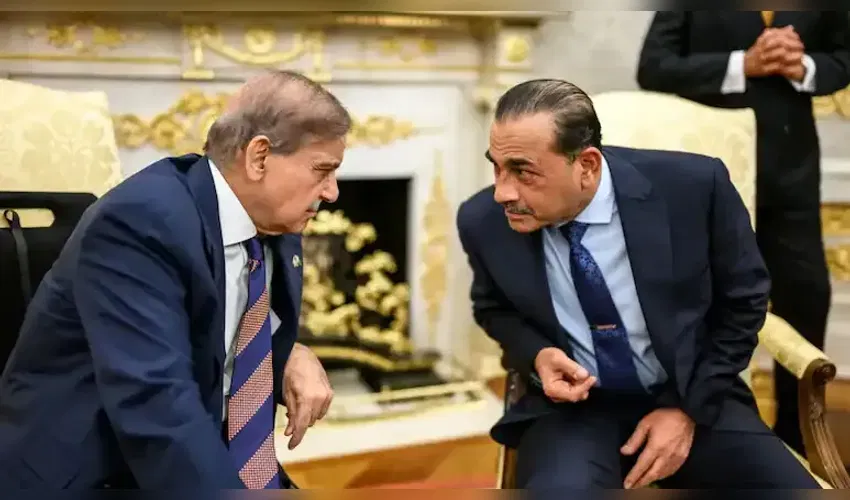

At a time when ordinary Pakistanis are struggling with inflation, unemployment, rising utility bills, and repeated appeals for international financial assistance, Islamabad's decision to spend heavily on lobbying and public-relations efforts in the United States raises uncomfortable questions about priorities.
Pakistan's economy has spent years navigating crises. The country has repeatedly turned to the International Monetary Fund for support, foreign exchange reserves have come under pressure, and millions of citizens continue to face economic hardship. Against this backdrop, reports of substantial spending on Washington-based lobbying firms and image-management campaigns appear disconnected from the realities facing the public.
Governments often hire lobbyists to present their case abroad, improve diplomatic ties, and attract investment. However, critics argue that Pakistan's latest efforts go far beyond routine diplomacy. Instead of addressing the underlying issues that have damaged the country's reputation political instability, security concerns, weak governance, and allegations regarding extremist networks the government appears focused on polishing its image.
The problem with public-relations campaigns is that they cannot substitute for genuine reform. No amount of expensive lobbying can permanently convince investors if economic fundamentals remain weak. No media campaign can erase concerns about political uncertainty. And no image consultant can create credibility that is not supported by policy actions.
For many observers, the optics are troubling. A country frequently described as facing severe fiscal constraints is reportedly spending significant sums to influence perceptions in foreign capitals. Citizens who are being asked to bear the burden of austerity measures may reasonably ask why scarce resources are being directed toward reputation management instead of economic recovery, education, healthcare, or infrastructure.
The strategy also risks sending the wrong message internationally. Foreign governments and investors are generally more persuaded by measurable reforms than by marketing campaigns. Sustainable growth comes from policy consistency, transparency, and institutional strength—not from expensive public-relations contracts.
Pakistan's leadership may believe that improving its image abroad will help attract investment and strengthen diplomatic relationships. Yet image follows reality more often than reality follows image. Countries build strong reputations when they demonstrate stability, accountability, and economic progress.
The central question is simple: if Pakistan truly wants a better image, would millions spent on lobbyists be more effective than millions invested in reforms that directly improve the lives of its citizens?
Until that question is answered convincingly, critics will continue to view the country's American image makeover as a costly exercise in perception management rather than a solution to its deeper challenges.
Disclaimer : This image is taken from NDTV.



