



News
Asim Munir Marries Daughter to Brother's Son at Army Headquarters, Spotlighting Pakistan Military Elite's Insularity
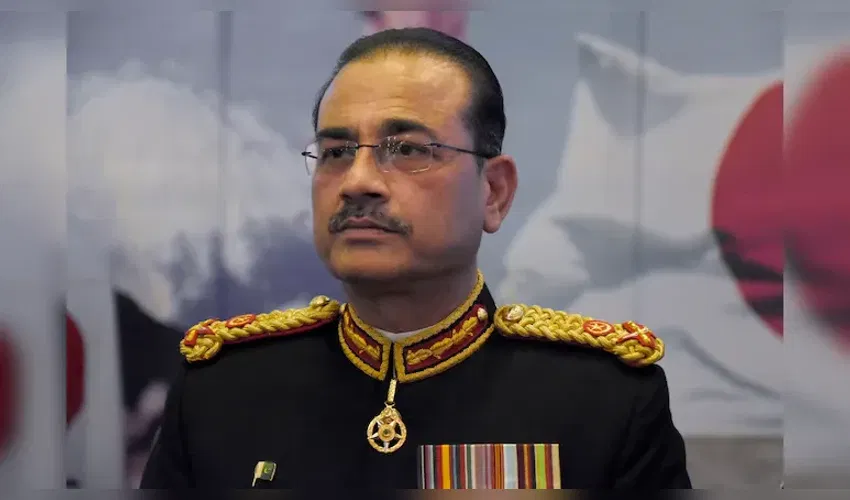

Pakistan Army chief Field Marshal Asim Munir has married his daughter to his brother’s son in a ceremony reportedly held at or around Pakistan Army headquarters in Rawalpindi, an event that has drawn sharp public scrutiny and reignited debate over the military’s entrenched culture of privilege, insularity and unaccountable power.
According to Pakistani media reports, the wedding was attended by senior military commanders and influential political figures, reflecting once again the deep interlinkage between Pakistan’s armed forces and its civilian elite. The ceremony was kept deliberately low-profile, with no official photographs released and details tightly controlled, officially due to “security considerations.”
While marriages between first cousins are legally permitted and socially practiced in Pakistan, critics argue that the symbolism of the army chief hosting such a family event within the military establishment is politically significant. They say it reinforces perceptions of dynastic thinking and closed power circles within Pakistan’s most powerful institution one that routinely presents itself as merit-driven and reform-oriented.
The secrecy surrounding the event has also triggered questions about transparency. Civil society voices have pointed out that senior civilian leaders are routinely subjected to intense media scrutiny, while the personal and institutional conduct of top military commanders remains largely beyond public questioning. This imbalance, analysts say, reflects the asymmetric accountability that defines Pakistan’s civil–military relations.
The timing of the wedding has further fuelled criticism, coming as Pakistan faces severe economic stress, rising prices and repeated calls by the establishment for public restraint and sacrifice. On social media, users contrasted elite celebrations inside fortified cantonments with the daily struggles of ordinary Pakistanis. The presence of political leaders at a private family function of the army chief has also renewed concerns about the erosion of civilian supremacy, with critics arguing that such displays underscore how deeply politics in Pakistan remains shaped by military influence.
Though the wedding was a private family affair, the controversy surrounding it has once again exposed broader anxieties about elite privilege, institutional opacity and the military’s dominant role in Pakistan’s public life issues that continue to shadow the country’s democratic and economic future.
This image is taken from NDTV.



