



Politics
Ajeet Bharti Lists Four Demands at 'Reservation Hatao' Protest, Seeks Review of Quota System
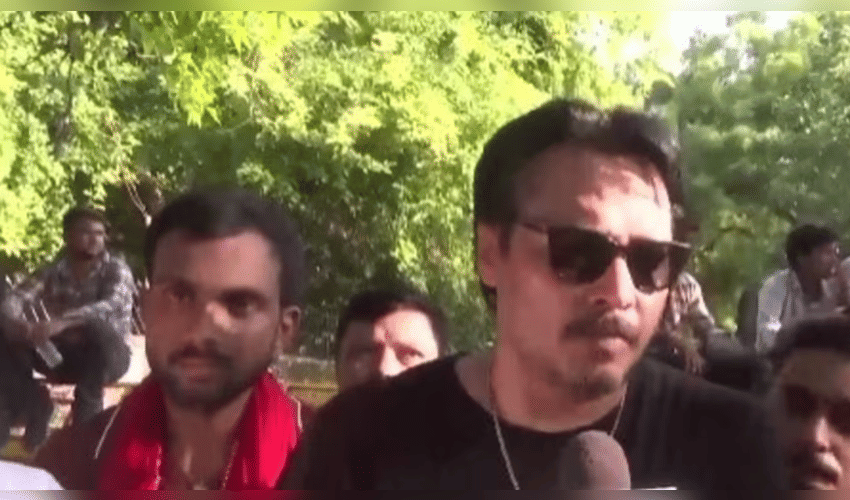

YouTuber and political commentator Ajeet Bharti has raised four key demands during the ‘Reservation Hatao’ protest in Delhi, calling for a detailed review of India’s reservation system and changes in the way benefits are distributed among different sections of society. The protest, held at Jantar Mantar, brought renewed attention to the debate surrounding caste-based reservation in India. The campaign has gained visibility through social media, with supporters arguing that the existing system should be reviewed and that reservation benefits should reach those who remain the most disadvantaged.
Speaking during the protest, Bharti called for the government to publish a white paper examining the impact of the reservation system over the past several decades. He argued that such an assessment should look at whether the intended beneficiaries have actually received adequate opportunities in education and employment. He referred to disadvantaged communities such as the Musahar community in Bihar while making his argument.
Bharti also demanded a ‘quota within quota’ system, suggesting that benefits within reserved categories should be distributed more evenly among different communities. The demand is linked to the broader debate over sub-categorisation, under which communities that have historically received fewer benefits could potentially receive a separate share within an existing reservation category.
Another demand raised by Bharti concerns admissions to higher educational institutions. He called for minimum academic marks to be maintained for students seeking admission to institutions such as IITs and IIMs, arguing that reservation should not eliminate basic academic eligibility requirements. His fourth demand focused on the Economically Weaker Sections, or EWS, category. Bharti called for greater support for economically disadvantaged students, including assistance related to education and other costs. He also argued that economic disadvantage should receive greater consideration in India's affirmative-action framework.
The demands have added another dimension to the country's long-running reservation debate. While supporters of the campaign argue that the system needs greater transparency and a stronger focus on economic disadvantage, opponents point out that caste-based reservation was created to address historical social discrimination and unequal access to opportunities. They argue that economic status alone cannot fully measure the disadvantages faced by historically marginalised communities.
The debate over reservation has also increasingly focused on whether benefits are distributed equally within broad reserved categories. Sub-categorisation and the question of a creamy layer have become subjects of legal and political discussion, making Bharti's call for a ‘quota within quota’ part of a much wider national conversation.
Whether the demands raised at the protest translate into policy changes remains uncertain. Any major restructuring of the reservation framework would involve constitutional, legal and political considerations. For now, the protest has once again brought questions about reservation, merit, economic disadvantage and equal opportunity into the national spotlight.



