



World
60-Day War Powers Clock Puts Pressure on Trump Amid Iran Conflict; Ceasefire Sparks Legal Debate
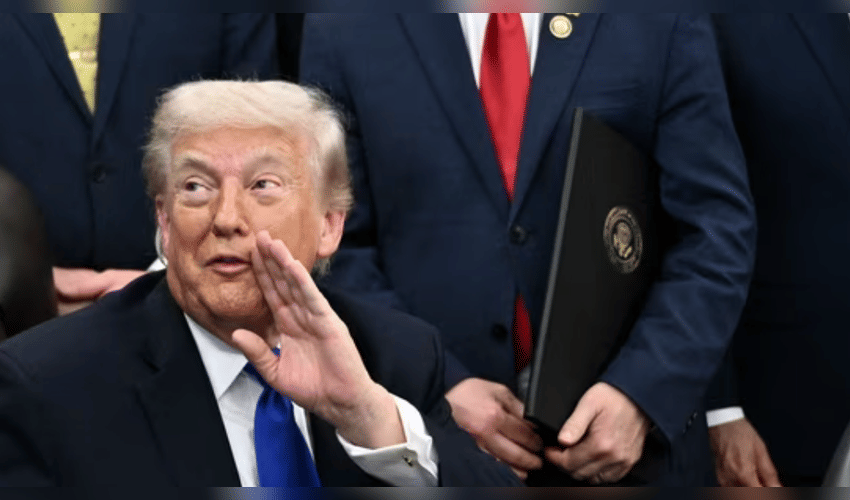

A looming legal deadline tied to U.S. military involvement in Iran is drawing sharp attention in Washington, even as a fragile ceasefire has temporarily reduced tensions on the ground. The issue centers on whether President Donald Trump must now seek approval from Congress—or whether the pause in fighting changes that requirement.
The debate revolves around the War Powers Resolution of 1973, a law designed to prevent prolonged military engagements without congressional oversight. Under its provisions, a president has a limited window—typically 60 days—to continue military operations after notifying Congress, unless lawmakers formally authorize the action.
U.S. involvement in the Iran conflict began in late February, placing the deadline in early May. That timeline has put pressure on the White House to clarify its next steps. However, the ceasefire announced in April has complicated matters, creating a legal gray area that is now being intensely debated. Officials within the administration argue that because active hostilities have been paused, the United States is not technically engaged in ongoing combat. Based on this interpretation, they suggest that the 60-day clock may no longer apply in the same way, or could effectively be paused. Supporters of this view say the law was intended to regulate active warfare, not periods of diplomatic de-escalation.
Critics, however, strongly disagree. Many lawmakers and legal experts insist that once triggered, the War Powers clock continues to run regardless of temporary ceasefires. They argue that allowing a pause would open the door for future administrations to sidestep congressional approval simply by declaring intermittent breaks in fighting.
The disagreement reflects a deeper constitutional tension over how war powers are shared between the executive branch and Congress. The law itself was shaped by lessons from the Vietnam War, when extended military involvement without clear legislative backing sparked widespread criticism and political backlash.
As the deadline approaches, the stakes are rising. If the administration seeks congressional approval, it could trigger a high-stakes political battle. If it chooses not to, lawmakers may attempt to challenge the decision, potentially leading to a legal confrontation that could reach the courts. The ceasefire has brought a temporary lull in violence, but it has not resolved the underlying legal and political questions. Instead, it has shifted the focus to Washington, where the ticking clock is testing the limits of presidential authority and the role of Congress in decisions of war and peace.



