



Asia In News
When Broadcasting Served the Public First: Experts Reflect on the Changing Role of Media
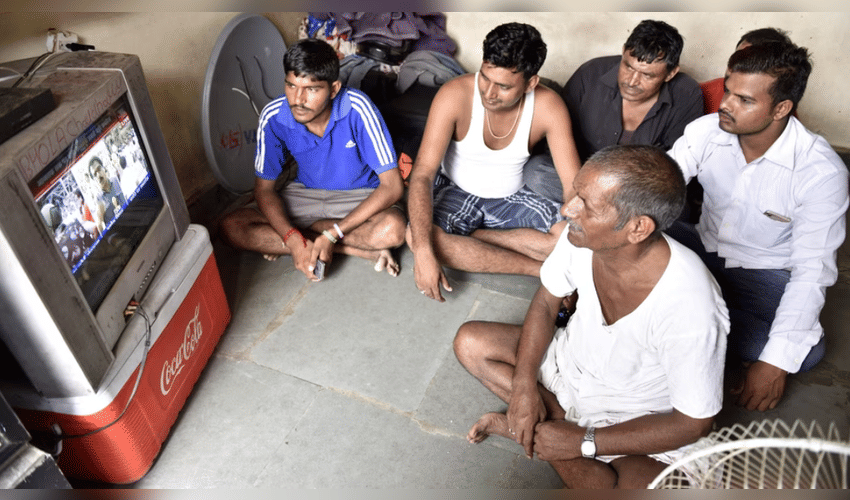

The role of broadcasting has undergone a dramatic transformation over the decades, with media experts increasingly pointing to a shift from public service to commercial priorities. As television, radio and digital platforms continue to evolve, discussions around the original purpose of broadcasting have gained renewed relevance. When public broadcasting systems were first established, their primary mission was to serve citizens rather than generate profits. Governments across several countries treated the airwaves as a public resource, expecting broadcasters to provide accurate news, educational content, cultural programming and information that could benefit society as a whole.
The guiding principle was straightforward: inform, educate and entertain. News bulletins, educational lessons, agricultural advisories, health campaigns and cultural programmes formed the backbone of broadcasting schedules, particularly on public networks. In India, public broadcasters played a significant role in connecting millions of people, especially those living in rural and remote regions. Radio became an important source of trusted information, while television later expanded access to education, national events and developmental programmes. Public broadcasting also helped preserve regional languages, folk traditions and local cultures by giving them a national platform.
The media landscape has changed significantly over the past three decades. The rise of private television channels, digital streaming services and social media has intensified competition for viewers and advertisers. Ratings, online engagement and advertising revenue have increasingly influenced editorial and programming decisions.
As a result, critics argue that public-interest programming has gradually been overshadowed by content designed to maximise audience attention. Fast-paced debates, celebrity-driven stories and sensational headlines now occupy a much larger share of broadcasting than educational or civic-focused programmes.
Media analysts say this shift has raised important questions about journalism's broader responsibility in society. While commercial competition has encouraged innovation and expanded consumer choice, experts believe certain public service functions remain essential and cannot be left entirely to market forces.
These responsibilities become especially visible during emergencies. Whether dealing with natural disasters, public health crises or national security situations, audiences continue to rely on trusted broadcasters for verified information and official updates. Public broadcasters are also expected to provide balanced reporting, fact-based journalism and content that reaches communities often overlooked by commercial media.
The rapid growth of digital platforms has further complicated the information ecosystem. Artificial intelligence, social media algorithms and online content creators have transformed how people consume news, but they have also contributed to the spread of misinformation and declining public trust in media.
Experts believe the future of broadcasting lies in combining traditional public service values with modern technology. Investments in digital journalism, fact-checking, regional reporting and educational programming are increasingly seen as crucial to maintaining credibility in a rapidly changing media environment.
As debates over the future of journalism continue, many observers argue that the founding principles of broadcasting remain as relevant today as ever. In an age of information overload, the commitment to serving the public interest through accurate, accessible and responsible journalism may prove to be one of broadcasting's most enduring responsibilities.



