



World
US Expert Alleges Pakistan and Qatar Are 'Compromised' Mediators as Trump Signals Openness to Iran Talks
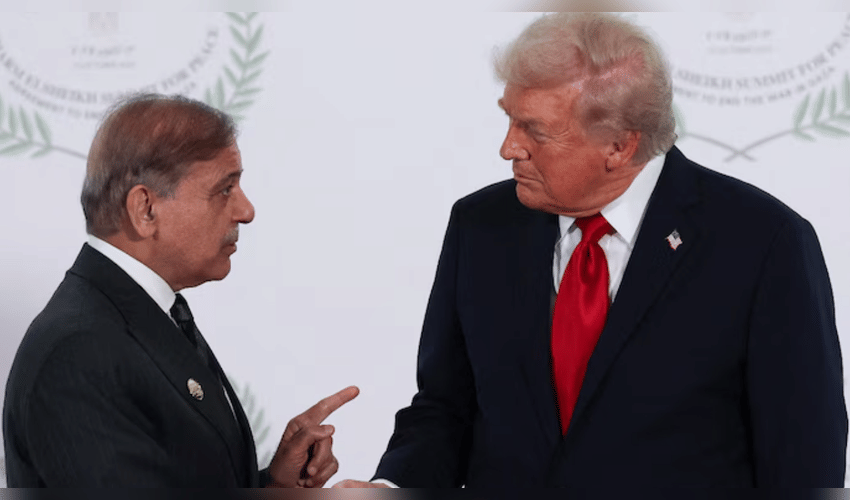

A US foreign policy expert has questioned the credibility of Pakistan and Qatar as intermediaries in efforts to facilitate dialogue between the United States and Iran, claiming that both countries can no longer be viewed as neutral mediators. The remarks come shortly after US President Donald Trump suggested that negotiations with Tehran could still take place despite heightened tensions between the two countries. The comments have added a new dimension to ongoing diplomatic efforts in the Middle East, where several regional nations have been attempting to bridge the gap between Washington and Tehran amid continuing disagreements over security and regional stability.
Speaking on the issue, the US expert argued that mediators involved in sensitive international negotiations must enjoy the trust of all parties. He alleged that Pakistan and Qatar have become "compromised" because of their close political and strategic relationships in the region, making it difficult for them to act as impartial facilitators. The remarks have not been endorsed as official US policy, and neither Pakistan nor Qatar has publicly responded to the allegations.
The criticism surfaced as President Donald Trump indicated that his administration remains open to engaging with Iran if conditions are favourable. While speaking about the possibility of diplomacy, Trump suggested that negotiations remain an option, signalling that Washington has not completely ruled out dialogue despite months of strained relations.
Tehran has presented a different picture. Iranian officials have denied reports that direct negotiations with the United States are currently underway, maintaining that no formal talks have begun. The conflicting statements from both sides have created uncertainty over the actual status of diplomatic contacts. Pakistan and Qatar have played important diplomatic roles in recent years, often acting as communication channels between countries that lack direct engagement. Qatar has previously hosted indirect talks involving the United States on several regional issues, while Pakistan has increasingly positioned itself as a facilitator of dialogue in South Asia and the broader Middle East.
Diplomatic experts note that mediation in international conflicts rarely involves completely neutral actors. Instead, countries are often selected because they maintain working relationships with all sides and are capable of conveying messages during periods of crisis. Nations such as Oman, Switzerland and Qatar have frequently served this role in past US-Iran engagements.
The latest allegations, however, could complicate perceptions surrounding any future diplomatic initiatives involving Islamabad and Doha. Even if governments continue to rely on their assistance, public questions over neutrality may affect confidence in the mediation process. For now, there has been no indication that Washington intends to replace existing intermediaries. At the same time, Iran has shown little sign of confirming Trump's suggestion that talks may resume in the near future. With tensions in the Middle East remaining high, the success of any future negotiations is expected to depend not only on the willingness of the United States and Iran to return to the table but also on whether both sides can agree on mediators they consider credible and effective.



