



Military
The Indian Army is seeking indigenous CADET systems to replace the Tunguska gun for countering UAVs, rockets, and mortar threats.
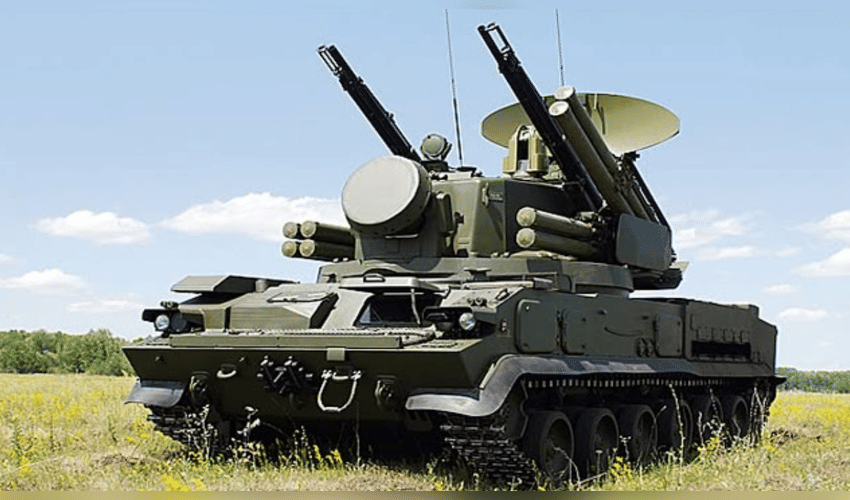

The Indian Army has begun the process of acquiring more than ninety Carrier Air Defence Tracked (CADET) systems, intended to enhance its short-range air defence capability and potentially replace the ageing 2K22 Tunguska platforms. The Request for Information highlights a strong preference for indigenous Make in India solutions, seeking a versatile tracked platform capable of carrying missile systems, anti-aircraft guns, or a hybrid configuration.
The CADET initiative is designed to counter evolving aerial threats including unmanned aerial vehicles, rockets, artillery, and mortar fire, reflecting growing concern over URAM challenges in modern warfare. It is intended to protect critical population centres, defence installations, and sensitive border regions, particularly along the Line of Control, by providing mobile and responsive air defence cover.
The system is expected to be highly adaptable, allowing different configurations such as missile launchers, gun systems, or combined setups to meet varying operational needs and ensure comprehensive airspace coverage. Key requirements include a high mobility tracked chassis suitable for difficult terrain, automatic ammunition handling, advanced tracking systems, and the ability to engage fast moving targets with precision.
The Army also requires the system to function effectively in high altitude conditions and deliver full 360 degree coverage against aerial threats. This RFI is not a final procurement tender but a preliminary step to assess available indigenous technologies that meet operational expectations. The initiative aligns with the Ministry of Defence’s broader push for self reliance, aiming to strengthen domestic defence manufacturing and reduce dependence on foreign systems.
The CADET program represents a significant step toward modernising India’s air defence network and improving resilience against drones, rockets, and artillery threats. The procurement process therefore marks an important milestone in enhancing layered air defence capability strengthening border security and supporting long term strategic self sufficiency in defence production while promoting innovation within the domestic defence industry across multiple sectors of technology development and operational readiness enhancement efforts ensuring future combat preparedness standards.



