



Asia In News
South Asia's Youth Wave: Nepal's Gen Z Uprising and India's CJP Protests Reveal a Changing Political Landscape
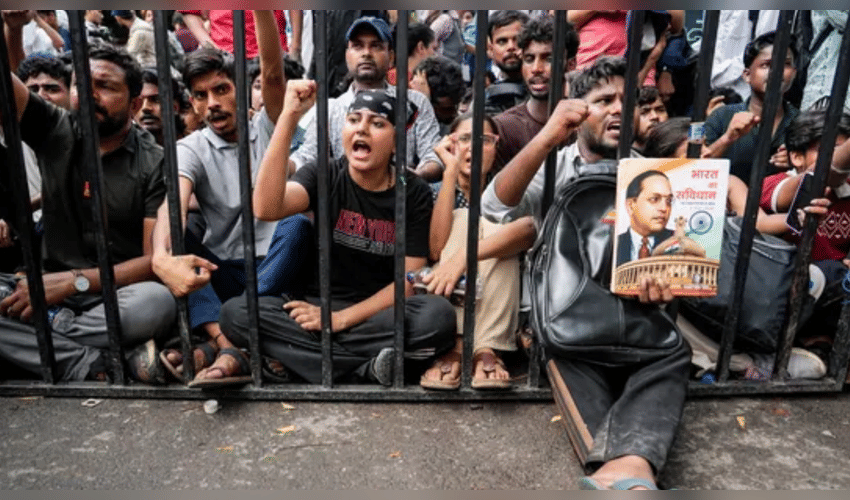

A new generation of young South Asians is emerging as a powerful force in public movements, challenging traditional political systems and demanding greater accountability from authorities. From Nepal’s Gen Z uprising to India’s CJP protests, youth-led demonstrations across the region are drawing attention for their energy, digital organisation and growing influence. Although these movements appear similar at first glance, with young protesters gathering on streets and using social media to amplify their voices, each has developed from different political and social circumstances. The common factor connecting them is a generation that feels increasingly impatient with existing systems and wants a stronger role in shaping its future.
Nepal’s Gen Z movement became one of the most visible examples of youth activism in South Asia. What started with anger over restrictions on digital platforms soon expanded into a broader protest against corruption, political privilege and dissatisfaction with the country’s leadership. Thousands of young citizens took part in demonstrations, using online platforms to coordinate activities and spread their message.
Unlike older political movements that were often controlled by established parties and leaders, Nepal’s youth protests reflected a more decentralised style of mobilisation. Young activists relied on social media networks, online communities and digital campaigns to organise and communicate. The movement showed how quickly a generation connected through technology can transform public frustration into a major political conversation. Nepal’s experience also highlighted the challenges that come after a successful protest movement. Creating pressure on governments is one thing, but transforming public anger into long-term political reforms requires strong institutions, effective leadership and practical solutions.
India’s CJP protests, meanwhile, emerged from a different set of concerns but carried a similar message of youth dissatisfaction. The movement attracted attention as young people raised questions about accountability, fairness and issues affecting students and aspiring professionals. Protesters used both traditional demonstrations and online campaigns to bring attention to their demands.
The protests reflected a wider feeling among many young Indians that institutions must become more transparent and responsive. For many participants, the issue was not only about a specific policy or decision but also about confidence in systems that directly impact their education, careers and future opportunities.
The similarities between Nepal and India’s youth movements are difficult to ignore. In both cases, young people used digital platforms as powerful tools for organisation and communication. Social media allowed information to spread quickly, helped bring more participants into the movements and created a sense of shared identity among protesters.
But the differences between the two movements are equally important. Nepal’s uprising was largely connected to dissatisfaction with the broader political structure, while India’s CJP protests focused more on specific governance concerns and demands for accountability. The scale, political environment and goals of each movement remain distinct.
Across South Asia, young people are facing many common challenges, including employment uncertainty, economic pressures, concerns about corruption and frustration with traditional political systems. With one of the world’s largest youth populations, the region is witnessing a shift where younger citizens are becoming more active participants rather than passive observers.
The rise of digital activism has also changed the way protests develop. Earlier movements often depended on political organisations, unions or influential leaders. Today, young people can build momentum through online communities, viral campaigns and direct communication. This has made protests faster and more flexible, but it has also created questions about long-term organisation and leadership. The biggest challenge for these youth movements will be turning protest energy into lasting change. Public demonstrations can force governments to respond, but meaningful reform requires continued engagement, policy changes and institutions capable of delivering results.
The growing presence of Gen Z in South Asian politics suggests that young citizens are no longer willing to remain on the sidelines. Whether in Nepal, India or other countries in the region, the message from this generation is becoming clearer — they want transparency, opportunities and a voice in decisions that shape their lives. The movements may look “same same” because they are powered by similar frustrations and hopes, but they remain “different” because each country has its own political realities, challenges and paths ahead. The rise of South Asia’s youth movements marks the beginning of a new chapter in the region’s political landscape.



