



Asia In News
Rawalakot Violence Casts Shadow Over Pakistan-Administered Kashmir Elections
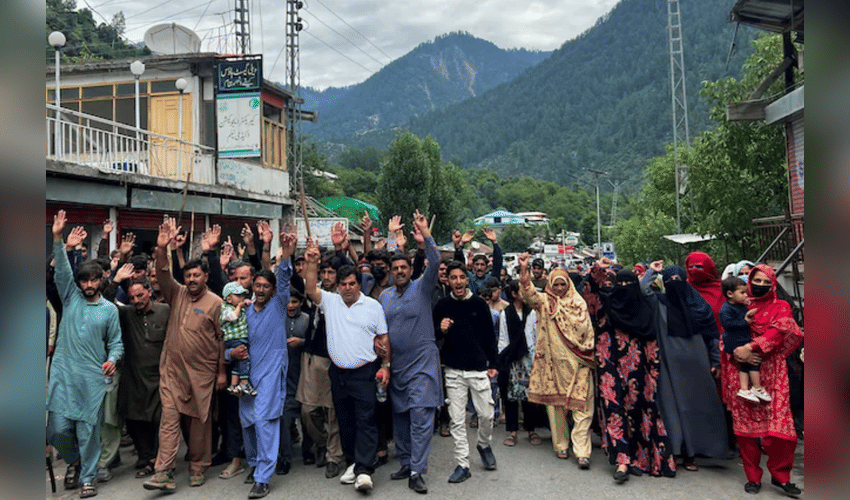

Fresh violence in Pakistan-administered Kashmir has intensified political tensions ahead of the region's legislative elections, with deadly clashes between security forces and protesters triggering renewed debate over governance, electoral representation, and civil rights in the territory. The unrest has drawn international attention as conflicting claims over casualties and the use of force continue to emerge.
The latest clashes erupted in Rawalakot after supporters of the banned Joint Awami Action Committee (JAAC) attempted to march toward Muzaffarabad despite heavy security restrictions. Authorities said the demonstrations turned violent, while protest groups accused security personnel of using excessive force against civilians. Official and unofficial casualty figures differ, with independent verification remaining difficult because of restrictions on access and communications in parts of the region.
The protests stem from long-standing political grievances rather than a single incident. A major point of contention is the reservation of 12 seats in the regional legislative assembly for refugees from Jammu and Kashmir who now reside elsewhere in Pakistan. Protesters argue that the arrangement dilutes the political influence of residents living in the region and gives Islamabad greater control over the local political process.
The JAAC, which has been leading the movement, has demanded changes to the electoral framework, greater political autonomy, governance reforms, and the release of detained activists. Pakistan banned the group under anti-terrorism laws earlier this year, alleging that elements within the organisation were involved in violent activities. JAAC leaders have rejected those allegations and maintain that their movement is aimed at securing democratic rights and political reforms.
The violence has unfolded against the backdrop of phased elections in Pakistan-administered Kashmir. Political analysts say the unrest has overshadowed the electoral process, with opposition parties raising concerns about the overall political environment. Some parties have questioned the fairness of the elections, while authorities insist that voting is being conducted according to law under enhanced security arrangements.
International human rights organisations have expressed concern over reports of civilian deaths, communication blackouts, and restrictions on media access. Calls have been made for an independent investigation into the violence to establish the circumstances surrounding the clashes and ensure accountability. Pakistani authorities have denied allegations of targeting peaceful protesters and have blamed armed elements for escalating the situation. The latest unrest is part of a broader pattern of protests witnessed in Pakistan-administered Kashmir over the past year. Demonstrations have focused on issues including political representation, governance, inflation, public services, and demands for greater local decision-making. Observers say these recurring protests indicate deeper structural challenges that extend beyond the current election cycle.
With polling continuing under tight security, the situation in Rawalakot remains tense. Whether the authorities can restore stability through dialogue or further security measures is likely to shape the political landscape in Pakistan-administered Kashmir in the coming weeks. Meanwhile, the violence has once again placed the region under international scrutiny, highlighting unresolved questions surrounding governance, representation, and the rights of local residents.



