



Economy
Pakistan: Rising fuel prices have led to increased public transport fares, worsening the financial burden on ordinary citizens.
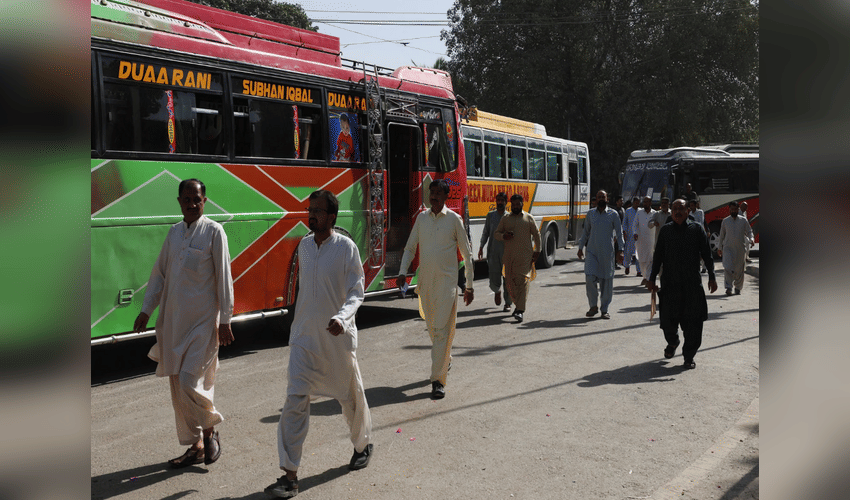

A recent rise in petroleum prices has led to higher transport fares across Pakistan, adding to the financial strain on commuters already affected by inflation, according to Samaa TV. In Lahore, negotiations between the Regional Transport Authority (RTA) and transport operators resulted in a limited fare increase of about 3% to 4%. The meeting, held at Transport House, was led by RTA Secretary Rana Mohsin, who engaged with transporters initially seeking larger hikes due to rising fuel costs. Authorities approved only a small adjustment and warned against any unauthorized fare increases.
Rana Mohsin stated that transporters must strictly follow the approved rates, adding that legal action would be taken against violators. He also confirmed that updated fare charts would be enforced immediately. He explained that fuel prices have gone up by more than 7%, necessitating the revision. Despite the regulatory cap, passengers are still facing higher costs, with reports of around a 5% fare increase in some cases, making everyday and intercity travel more expensive. Commuters have expressed concern over the growing burden of frequent fare revisions.
Intercity travel has also become costlier. Fares from Lahore to Rawalpindi have reached PKR 2,340, while trips to Peshawar now cost around PKR 3,100. Routes to Faisalabad and Sargodha have increased to PKR 1,260, and the Lahore–Karachi route has climbed to PKR 9,720 after a significant jump. The impact is not limited to passenger transport. Goods transporters and mini Mazda operators have also raised charges by about 5%, citing higher diesel prices. In Karachi, the Pakistan Goods Transport Alliance announced an even steeper 10% increase, as reported by Samaa TV.
Alliance President Malik Shahzad Awan criticised government fuel pricing policies, stating that the current subsidy of PKR 80,000 is inadequate. He claimed operational expenses have surged sharply, with costs rising by up to PKR 200,000 per trip. He also warned that global tensions have disrupted nearly half of transport operations, worsening the situation further.



