



Asia In News
Pakistan-Occupied Kashmir Tense as Protests Escalate; Families Say Slain Teenagers Were 'Not Terrorists'
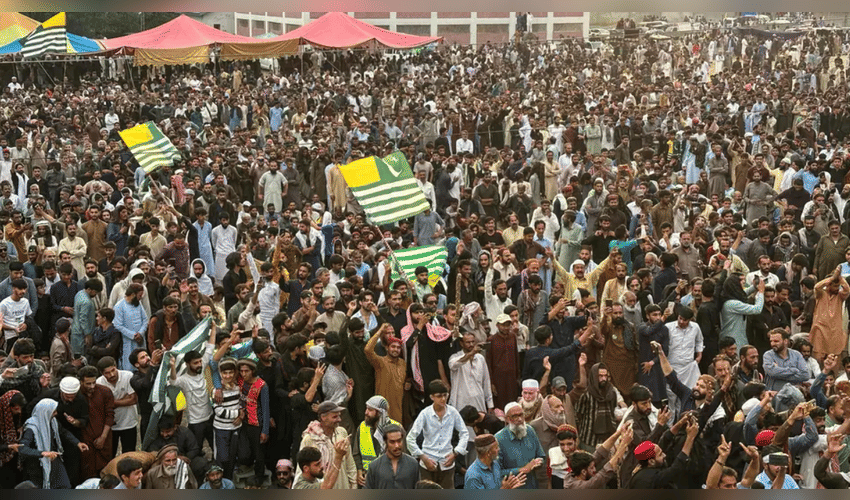

Pakistan-occupied Kashmir (PoK) remains on edge as widespread protests and a heavy security response continue to fuel unrest across the region, with families of those killed insisting that many of the victims were ordinary civilians, including teenagers, and not militants. The demonstrations, which intensified during the ongoing legislative elections, have spread across several parts of the region, particularly Rawalakot and Mirpur. Protesters accuse the authorities of suppressing dissent, while Pakistan maintains that security measures are necessary to preserve law and order.
According to local residents, doctors and media reports, several of those killed or injured during the clashes were young people, some reportedly as young as 15 years old. Grieving families have rejected suggestions that the victims posed a security threat, saying they had joined demonstrations to demand political rights and better governance. "We are not terrorists," relatives of victims have reportedly said, arguing that those participating in the protests were exercising their right to peaceful assembly rather than engaging in violence.
The unrest is rooted in long-standing political and economic grievances. Protesters have raised concerns over governance, unemployment, local representation and the structure of the regional assembly, particularly seats reserved for refugees from Indian-administered Jammu and Kashmir. Critics argue that the arrangement gives Islamabad greater influence over local politics, a claim Pakistani authorities reject.
The latest violence erupted during the phased assembly elections, with reports of clashes between demonstrators and security personnel. While authorities have acknowledged casualties, protest groups claim the death toll is significantly higher and accuse security forces of using excessive force against civilians. Independent verification of all casualty figures remains difficult due to restrictions on communications and media access in parts of the region.
International attention has grown as human rights organisations and civil society groups have called for an impartial investigation into the reported killings. They have also urged authorities to ensure transparency, protect civilians and restore access to communication services to allow independent reporting from the region.
The situation has also sparked controversy over media coverage. Pakistan has reportedly restricted access to some international news platforms following their reporting on the crackdown, accusing them of biased or selective coverage. Critics argue that such restrictions make it harder to independently assess developments on the ground.
Political analysts say the protests reflect more than election-related tensions. They point to years of public dissatisfaction over governance, economic conditions and political representation, suggesting the current crisis is the result of deeper structural issues rather than a single triggering event. As the political uncertainty continues, there is little indication that tensions will ease soon. Protest leaders continue to demand accountability for those killed, while authorities remain focused on restoring order. With competing narratives emerging from both sides, independent investigations are expected to play a key role in determining the full extent of the violence and its implications for the future of Pakistan-occupied Kashmir.



