



Economy
India-UK CETA: Key Tariff and Duty Changes Taking Effect from July 15
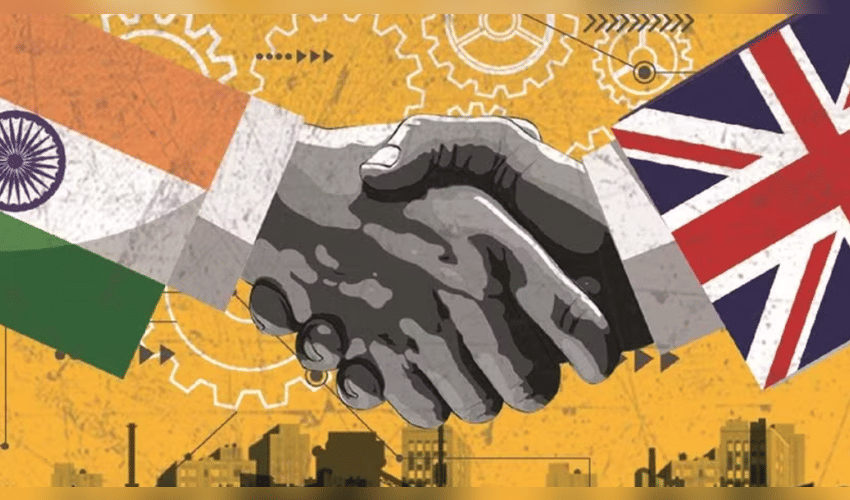

The India-UK Comprehensive Economic and Trade Agreement (CETA) is set to take effect on July 15, 2026, marking a major milestone in the economic relationship between the two countries. Considered one of India's most significant bilateral trade agreements in recent years, the pact is expected to strengthen trade, encourage investment, and create fresh opportunities for exporters, businesses, and professionals on both sides. Along with CETA, the Double Contribution Convention (DCC)—a social security agreement between India and the United Kingdom—will also become operational on the same day. The agreement is designed to prevent Indian professionals on temporary assignments in the UK from paying social security contributions in both countries simultaneously, reducing financial burdens for employees as well as employers.
The trade agreement is the result of years of negotiations that began in 2021 under the India-UK Enhanced Trade Partnership and the India-UK Roadmap 2030. The shared objective was to deepen economic cooperation and increase bilateral trade to $100 billion by 2030. After fourteen rounds of discussions, negotiators concluded the deal in May 2025. CETA was formally signed in London in July 2025, while the accompanying social security pact followed in February 2026.
Unlike traditional free trade agreements that mainly focus on lowering import duties, CETA is much broader in scope. It covers trade in goods and services, investment, professional mobility, regulatory cooperation, and digital trade, making it one of the most comprehensive agreements India has signed. One of the biggest gains for Indian exporters will come from the elimination of UK import duties on several major product categories. High tariffs on processed food, seafood, engineering goods, automobile components, leather products, footwear, textiles, garments, chemicals, and pharmaceutical products will be reduced to zero. This is expected to make Indian products more competitive in the British market and improve their pricing advantage over exporters from countries that do not enjoy similar trade preferences.
At the same time, India has safeguarded several sensitive domestic sectors by keeping products such as dairy items, cereals, millets, edible oils, oilseeds, apples, and certain vegetables outside the scope of tariff concessions. This approach seeks to balance export opportunities with the protection of local farmers and agricultural producers.
The agreement comes at a time when India's share in the UK import market remains relatively modest. Although Britain imports goods worth hundreds of billions of dollars every year, only a small percentage currently comes from India. This indicates significant untapped potential, especially in sectors where Indian manufacturers already have strong global capabilities.
Industries such as textiles and apparel are expected to be among the biggest beneficiaries. The UK imports a large volume of clothing every year, but India's market share remains comparatively small despite being one of the world's leading garment exporters. The removal of tariffs could make Indian apparel more attractive to British retailers and consumers, helping exporters expand their presence.
A similar opportunity exists in processed food. Britain imports billions of dollars' worth of packaged and processed food annually, while India's contribution remains limited. Lower import duties could enable Indian food manufacturers to compete more effectively and introduce a wider range of products into the UK market.
The automobile and auto component sector also stands to gain considerably. Although India has emerged as a global manufacturing hub for automobiles and two-wheelers, its exports to Britain remain relatively low. Reduced tariffs may encourage greater exports of vehicles, motorcycles, and automotive parts, provided manufacturers continue to meet stringent UK quality and safety standards.
India's chemical and pharmaceutical industries could also benefit from improved market access. The country is already one of the world's largest suppliers of generic medicines and chemical products, but its share in British imports remains relatively modest. The elimination of tariffs is expected to improve competitiveness and create new business opportunities for exporters.
Engineering goods represent another sector with considerable growth potential. India's engineering industry has steadily expanded over the past decade, and duty-free access could help manufacturers increase exports of industrial equipment, machinery, and related products to the UK. Beyond merchandise trade, CETA is expected to provide a major boost to India's services sector. The UK has opened access across 137 services sub-sectors, creating new opportunities for Indian companies operating in information technology, financial services, engineering, healthcare, education, telecommunications, consulting, and other professional services.
The agreement also makes it easier for business visitors, intra-company transferees, investors, contractual service suppliers, and independent professionals to work across borders. In a unique provision, the UK has also created dedicated annual opportunities for 1,800 Indian chefs, yoga instructors, and classical musicians, recognizing India's cultural and professional expertise in these fields.
The Double Contribution Convention adds another important benefit. Indian employees posted to the UK on temporary assignments, along with their employers, will no longer have to contribute simultaneously to social security systems in both countries. In addition, the exemption period has been extended from three years to five years, reducing employment costs and making international assignments more financially attractive. The government estimates that over 75,000 Indian professionals and more than 900 Indian companies could benefit from this arrangement.
The two countries have also reached an understanding regarding Britain's new steel trade measures. According to the Ministry of Commerce and Industry, around 85% of India's steel exports will remain outside the UK's latest restrictions, while products covered by the new rules will continue to receive market access through agreed tariff quotas and other mechanisms designed to minimize disruptions.
The broader impact of CETA extends beyond large corporations. The agreement is expected to create opportunities for farmers, fishermen, food processors, manufacturers, MSMEs, startups, women entrepreneurs, and service professionals. Labour-intensive industries such as textiles, leather, footwear, and apparel could witness increased export demand, potentially generating employment and attracting fresh investment. As the agreement comes into force, both India and the United Kingdom are entering a new phase of economic cooperation. While exporters will still need to meet international quality standards and remain globally competitive, CETA provides a stronger framework for expanding trade, improving market access, and strengthening long-term business ties. For Indian companies looking to grow their presence in one of the world's largest consumer markets, the agreement could prove to be a significant catalyst for future growth.



