



Economy
India's wheat harvest is projected to increase in 2026, though it is likely to fall short of earlier estimates.
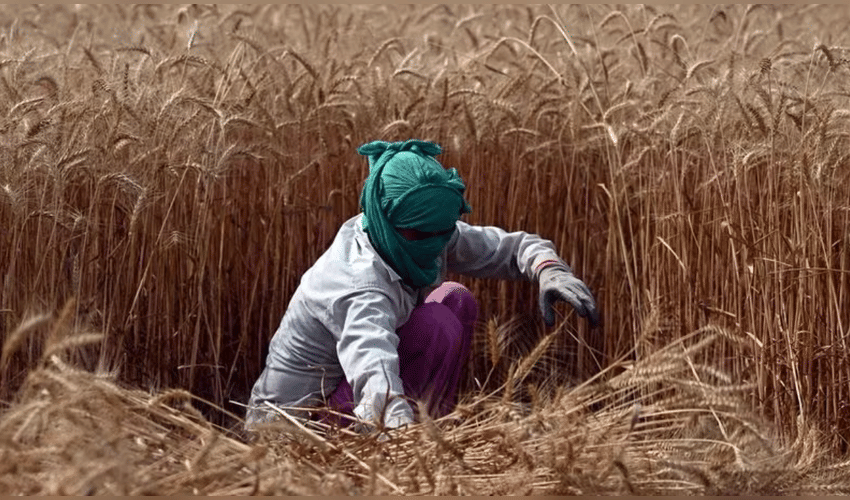

India’s wheat output is likely to rise in 2026 compared with the previous year, but may still fall short of earlier projections after unseasonal rains and hailstorms damaged crops nearing harvest, according to trade and industry officials. India, the world’s second-largest wheat producer after China, grows one crop annually, planted in October–November and harvested in March–April. In recent years, heatwaves in late February and early March have often reduced yields.
Following several years of weak production, output recovered in 2025 due to favorable weather. However, another late-February heat spike this year renewed concerns. Navneet Chitlangia, president of the Roller Flour Millers Federation of India, said production would exceed last year’s levels but remain below initial forecasts.
The government has estimated a record output of 120.21 million metric tons for this year, while the flour millers’ association had earlier projected 115 million tons. That estimate has now been revised down to around 113.5–114 million tons, still higher than last year’s output of about 109.5–110 million tons.
In recent years, the millers’ body has issued more conservative estimates compared to government projections, which traders often believe are overstated. Unlike rice, India’s wheat reserves remain relatively limited, though last year’s strong harvest helped ease concerns about potential imports. Recent rainfall has cooled wheat-growing regions, providing some relief from heat stress. However, hailstorms in parts of the country have caused localized damage, raising concerns about yield losses and grain quality.
According to grains trader Ramesh Garg, the overall harvest is expected to surpass last year’s levels, although quality issues may arise in some northern regions. Farmers have expanded wheat cultivation to 33.4 million hectares this year, up from 32.8 million hectares last year, supported by good soil moisture from a strong monsoon. Ramandeep Singh Mann, a farmer from Punjab, said that while hailstorms caused some scattered damage, rainfall largely protected the crop from extreme heat. He added that the final outcome will depend on weather conditions in the coming days.



