



Military
India's MRFA decision becomes more complex as France shifts its focus toward developing the Rafale F5.
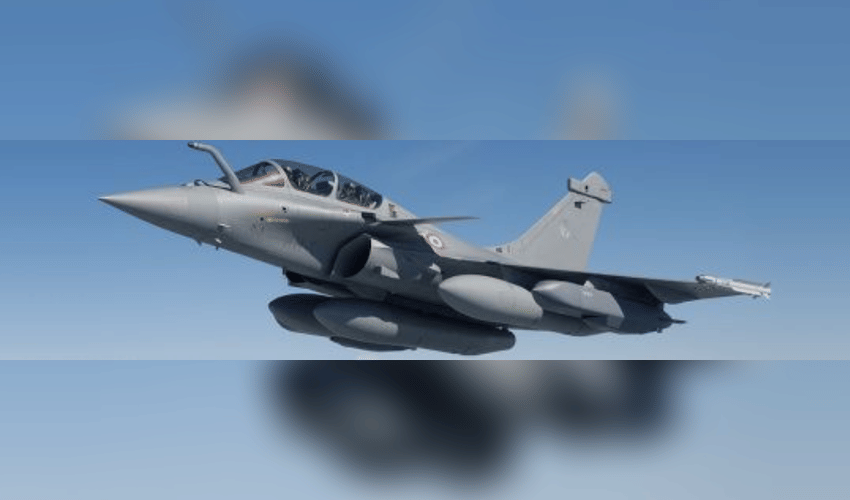

France has shifted its combat aviation priorities, placing greater emphasis on accelerating the development of the Rafale F5 rather than expanding production of the Rafale F4 fleet. The aircraft is expected to be operational by 2030, with Defence Minister Catherine Vautrin stating that the initiative aims to enhance air and naval combat strength, support future operational demands, and improve export prospects. The Rafale F5 is projected to represent a major advancement, featuring AI-driven systems, an upgraded RBE2 XG radar, improved engines, and the capability to work alongside unmanned drones.
This shift also has important implications for India’s Medium Role Fighter Aircraft programme, which involves the planned acquisition of 114 fighter jets. The Indian Air Force already operates Rafale F3R aircraft, and moving toward the F5 could provide long-term fleet consistency and lower upgrade expenses.
At the same time, choosing the F5 could risk delays if development schedules are not met, potentially affecting India’s efforts to quickly address its fighter squadron shortfall. India is also in discussions for an Interface Control Document with Dassault to enable integration of indigenous weapons like the Astra-2 missile and BrahMos-NG, along with French systems such as SCALP and Hammer.
The MRFA deal, estimated at around €32 billion, is expected to include significant local manufacturing under India’s push for defence self-reliance. Overall, India’s procurement strategy could follow different paths—waiting for the F5, opting for earlier F4 deliveries, or adopting a phased upgrade approach balancing immediate needs with future capabilities.
Disclaimer: This image is taken from Indian Defence News.