



Military
India Charts Oceanic Ambition: Rs 1.07 Lakh Crore Investment to Build 230-Ship Fleet by 2037
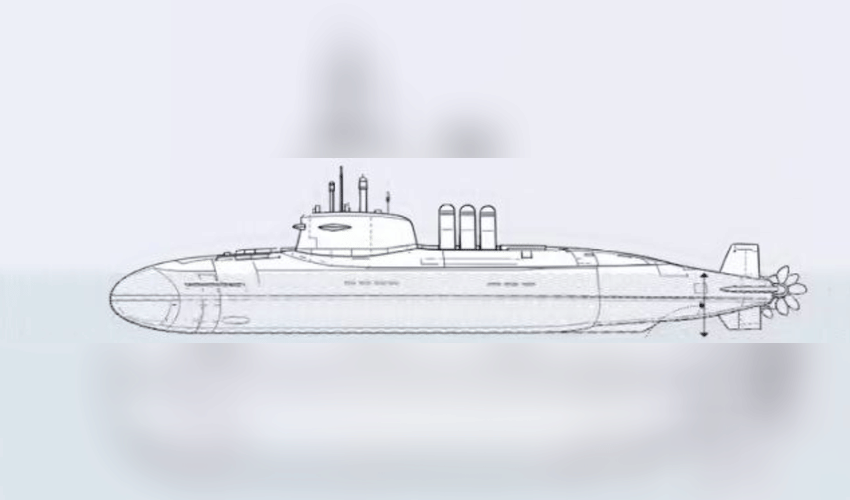

India’s naval ambitions have reached a critical milestone with the allocation of ₹1,07,549 crore for the Indian Navy in the 2026-27 fiscal year. This substantial investment signals New Delhi’s determination to develop a robust blue-water navy capable of projecting power across the Indian Ocean Region and beyond. Central to this expansion is an ambitious shipbuilding program, with 50 warships currently under construction in domestic shipyards. These include destroyers, frigates, corvettes, and submarines, all developed indigenously to strengthen self-reliance in defense manufacturing. In the near term, the Navy aims for 142 ships, with a long-term goal of 230 vessels and submarines by 2037, marking a strategic shift from coastal defense to sustained operations in distant waters to secure vital sea lanes.
Naval aviation is also set for a major boost, with plans to expand airborne assets from 264 to 314 by 2030. This will enhance anti-submarine warfare, maritime surveillance, and air defense capabilities through multi-role helicopters, unmanned aerial systems, and fixed-wing aircraft. A key milestone is the contract for 26 Rafale-M carrier-based fighters, which will equip India’s aircraft carriers with advanced strike, interception, and electronic warfare capabilities.
The blue-water navy concept enables India to project power far beyond its shores, conduct humanitarian missions, and maintain deterrence in contested regions like the Indo-Pacific. This transformation emphasizes technological advancement, incorporating stealth features, integrated sensors, and network-centric systems into new platforms, exemplified by indigenous designs such as the Project 18 next-generation destroyers. Indian shipyards including Mazagon Dock, Garden Reach, and Cochin Shipyard are driving production, supporting local employment and technology transfer. Submarine programs, particularly the Project 75I conventional submarines and nuclear-powered SSNs, are strengthening underwater capabilities to counter regional submarine threats.
While delays in steel, engines, and skilled labor have posed challenges, initiatives like the Strategic Partnership model and ‘Make in India’ are involving private companies such as Larsen & Toubro and Tata Advanced Systems to mitigate these issues. The budget prioritizes capital acquisitions (around 60%), operational maintenance, and research & development, including mid-life upgrades for Kolkata-class destroyers.
This naval modernization is also a response to China’s expanding presence in the Indian Ocean, with its bases in Gwadar and Djibouti. Strategic partnerships with the Quad, as well as bilateral ties with the US, France, and Japan, support interoperability and access to advanced technologies. The Rafale-M integration provides a qualitative edge with AESA radars, Meteor missiles, and advanced torpedoes. Deployment on INS Vikrant and future carriers will allow blue-water task forces to operate cohesively with surface vessels. Training, joint exercises like Malabar, and specialized officer programs are further enhancing India’s blue-water capabilities.
By 2037, this naval buildup will position India as a net security provider in the Indian Ocean, capable of projecting influence from the Malacca Strait to the African coast, prepared for multi-domain and hybrid warfare. Sustainability features such as green propulsion and low emissions are also integrated into new platforms, supporting global environmental standards while extending operational range. The 2026-27 budget is driving a naval renaissance, forging a capable blue-water force to safeguard India’s maritime interests amid rising competition.